
Trees
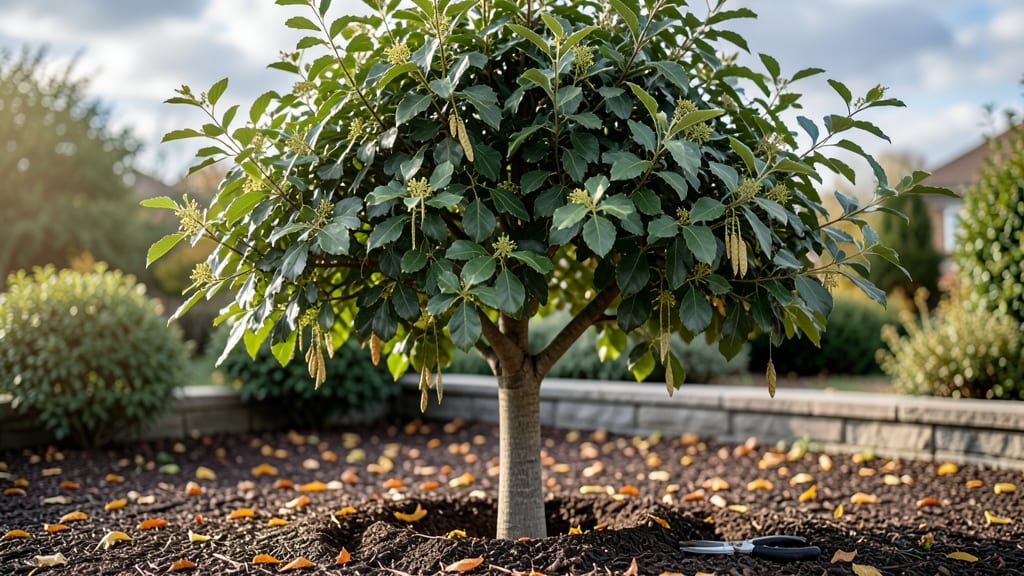
Chinese elm trees thrive where others falter, offering that rare urban canopy that survives brutal winters and city smog. 🌳 I planted mine in a tight city lot last spring, and it’s already outpacing the maples twice its age—all because it tolerates poor soil, drought, and even salt spray near roads.
The key? Planting in the right spot and giving it space to develop its signature vase-like shape without crowding.
You’ll need well-draining soil (even rocky or clay-heavy works), full sun, and a spot where it can spread 15–25 feet wide over time. Chinese elms handle heat better than most shade trees, making them perfect for parking strips or small yards where other species struggle.
Just avoid planting too close to sidewalks—their roots spread aggressively but aren’t invasive like silver maples.
Once established, they’re nearly maintenance-free: water deeply once a week for the first year, then let nature take over. Prune only to shape or remove dead branches, and watch as it develops that classic textured bark and glossy green leaves that outshine even oak trees.
The best part? They resist Dutch elm disease, the scourge of American elms.
Perfect for cities, suburbs, or rural properties with tough conditions. With the right care, your Chinese elm will be the talk of the neighborhood—literally, as its leaves rustle in every breeze. Ready to plant one that outlasts the trends?
📚 In This Guide
- What you need
- Instructions
- Tips and common mistakes
- Wrapping up and next steps
What you need
- ● Chinese Elm Trees: 1–3 bare-root saplings (1–2 ft tall, ½–1 in diameter) or 1 mature tree (3–5 ft tall, 2–3 in caliper) for quick shade.
- ● Soil: 5–10 bags (40 lb each) of well-draining garden soil mix (amend with compost if your soil is clay-heavy).
- ● Fertilizer: 1 lb of balanced 10-10-10 fertilizer (for young trees) or 2 lbs of slow-release organic fertilizer (for established trees).
- ● Mulch: 2–3 cubic yards of wood chips or pine straw (3–4 in thick layer).
- ● Digging Tools: 1 shovel (round-point for planting holes) 1 garden trowel (for root adjustments) 1 pruning shears (for trimming dead branches).
- ● Safety Gear: 1 pair work gloves 1 safety goggles (if handling heavy soil or mulch).
- ● Watering Supplies: 1 garden hose with adjustable nozzle 5–10 watering cans (for seedlings).
Step-by-Step guide to planting and caring for Chinese elm trees
Here's how to grow these tough, beautiful trees that thrive in urban settings.
🌱 Step 1: Choose the Perfect Planting Location
Chinese elms love full sun but tolerate partial shade, making them perfect for city streets or small yards. Pick a spot with at least 6 hours of direct sunlight daily—they'll grow in less, but their signature vase shape develops best with plenty of light. Avoid areas where cars or foot traffic might damage their shallow roots later.
Test the soil first. Chinese elms adapt to most soil types but prefer well-draining soil with a pH between 6.0 and 7.5. If your soil is heavy clay, mix in 2-3 inches of compost before planting to improve drainage. Dig a hole twice as wide as the root ball but no deeper—this encourages roots to spread horizontally for stability.
🪴 Step 2: Plant with Care for Long-Term Health
Gently remove the tree from its container and loosen any circling roots with your fingers—these can strangle the tree as it grows. Place it in the hole so the top of the root ball sits 1-2 inches above ground level. This prevents water from pooling around the trunk, which causes rot.
Backfill with native soil mixed with a handful of slow-release fertilizer (look for one with balanced NPK like 10-10-10). Water deeply right after planting to settle the soil and eliminate air pockets. The hole should be filled completely—don't leave gaps that could dry out roots. Mulch around the base with 2-3 inches of organic mulch, keeping it 6 inches away from the trunk to prevent moisture buildup.
☀️ Step 3: Water and Maintain for Strong Growth
Water newly planted Chinese elms 2-3 times per week for the first month, then taper to once a week once established. These trees are drought-tolerant once mature, but young trees need consistent moisture to develop strong roots. You'll know they're getting enough water when the soil feels damp 2 inches below the surface—stick your finger in to check.
Fertilize in early spring with a balanced fertilizer to support new growth. Avoid heavy nitrogen feeds—Chinese elms grow slowly and focus on structural strength. Prune only to remove dead or crossing branches in late winter or early spring. Never top the tree—this weakens the structure and invites disease. Watch for signs of stress like yellowing leaves, which usually means overwatering or poor drainage.
✂️ Step 4: Protect and Prune for Longevity
Chinese elms are famously cold-hardy, but young trees benefit from winter protection in harsh climates. Wrap the trunk with tree guard in late fall to prevent rodent damage and sun scald. These trees handle urban pollution well, but avoid planting near heavy traffic—exhaust fumes can stress young leaves.
Prune only when necessary. Remove any suckers at the base immediately—they drain energy from the main tree. Thin out crowded branches in early spring to improve airflow and reduce disease risk. The goal is to maintain that elegant, vase-shaped canopy without over-pruning. You'll see the tree's natural beauty develop over time with minimal intervention.
Tips & tricks for perfect Chinese elm trees
Here's what nobody tells you about growing these urban powerhouses—details that make all the difference.
Sunlight Strategy: While 6 hours of sunlight is the minimum, aim for 8+ hours if possible—this is how you get that iconic vase shape. I planted mine in partial shade once, and while it survived, the branches grew unevenly. If your yard has limited sun, choose the sunniest spot available and consider a smaller container for better light exposure. The more sun, the more vibrant the foliage stays throughout the season.
Root Ball Prep: Before planting, soak the root ball in water for 15-20 minutes to hydrate the roots. This helps them establish faster in Step 2. I learned this the hard way after planting a dry root ball that struggled for weeks to recover. Also, if your tree comes in a wire basket, cut through the wires completely—don't just pull them apart, or you'll damage the roots. Use wire cutters for clean cuts around the entire circumference.
Mulching Magic: That 2-3 inches of organic mulch isn't just decoration—it's your tree's winter blanket. Spread it evenly but keep it 6 inches from the trunk to prevent rot. I use shredded hardwood mulch because it breaks down slowly. In Step 3, refresh the mulch annually in early spring to maintain moisture and suppress weeds. The mulch also helps regulate soil temperature, which is especially helpful in urban heat islands.
Watering Wisdom: The 2-3 times per week for the first month is non-negotiable, but don't drown your tree. Water deeply each time until you see runoff, then let the soil dry slightly between waterings. I use a moisture meter now—when it reads "damp" at 2 inches deep, that's perfect. Overwatering is the #1 killer of young Chinese elms, so when in doubt, wait a day before watering again.
Pro Tips for Chinese Elms Trees
- Here's what nobody tells you about growing these urban powerhouses—details that make all the difference.
- Sunlight Strategy: While 6 hours of sunlight is the minimum, aim for 8+ hours if possible—this is how you get that iconic vase shape.
- Root Ball Prep: Before planting, soak the root ball in water for 15-20 minutes to hydrate the roots.
Frequently asked questions
Got questions about Chinese elm trees?
Here are answers to the most common ones—whether you're planting, pruning, or troubleshooting.
How fast do Chinese elm trees grow?
Chinese elms (Ulmus parvifolia) grow at a moderate rate—typically 12–24 inches per year under ideal conditions. In optimal soil with full sun, they can reach 20–30 feet tall in 10–15 years. Patience pays off, though—their strong structure makes them worth the wait!
Are Chinese elms cold-hardy? What zones do they thrive in?
Yes! These trees handle cold well, thriving in USDA Zones 5–9. They tolerate brief dips below 0°F but may need winter mulch in Zone 5 for extra protection. Their resilience makes them perfect for urban landscapes facing harsh winters.
What pests or diseases should I watch for?
Chinese elms are disease-resistant (unlike their American cousins), but watch for:
- Elm leaf beetles: Chew leaves; spray neem oil if spotted.
- Powdery mildew: Fungal issue in humid climates; improve airflow.
- Scale insects: Sticky residue on branches; prune infested areas.
When and how should I prune Chinese elms?
Prune late winter or early spring (before buds swell) to shape the tree and remove dead wood. Use clean, sharp tools to avoid disease. Avoid heavy pruning—these trees have coarse bark that heals slowly. Focus on thinning dense branches for airflow.
Can I grow Chinese elms in containers or small yards?
While they prefer spacious landscapes, young Chinese elms can thrive in large containers (20+ gallons) for 3–5 years. Choose dwarf varieties like 'Little Spire' for tighter spaces. Ensure well-draining soil and regular watering—container roots dry out fast!
Pro Tip:
For urban planting, space Chinese elms 30–40 feet apart to avoid root competition. Their shallow but wide root systems make them great for parking lot perimeters—just avoid planting near sidewalks to prevent cracking.
Wrapping up and next steps
Chinese elm trees are a fantastic choice for urban landscapes—durable, adaptable, and stunningly beautiful! 🌳 Their cold-hardy nature and low-maintenance care make them perfect for city dwellers and gardeners alike. With the right soil, sunlight, and a little patience, you’ll enjoy their lush canopies for years.
Ready to plant your own? Start by selecting a healthy sapling, prep your space, and follow the care tips shared here. Before you know it, you’ll have a thriving Chinese elm tree that adds value and charm to your outdoor space. Happy planting! ✨