
Pruning
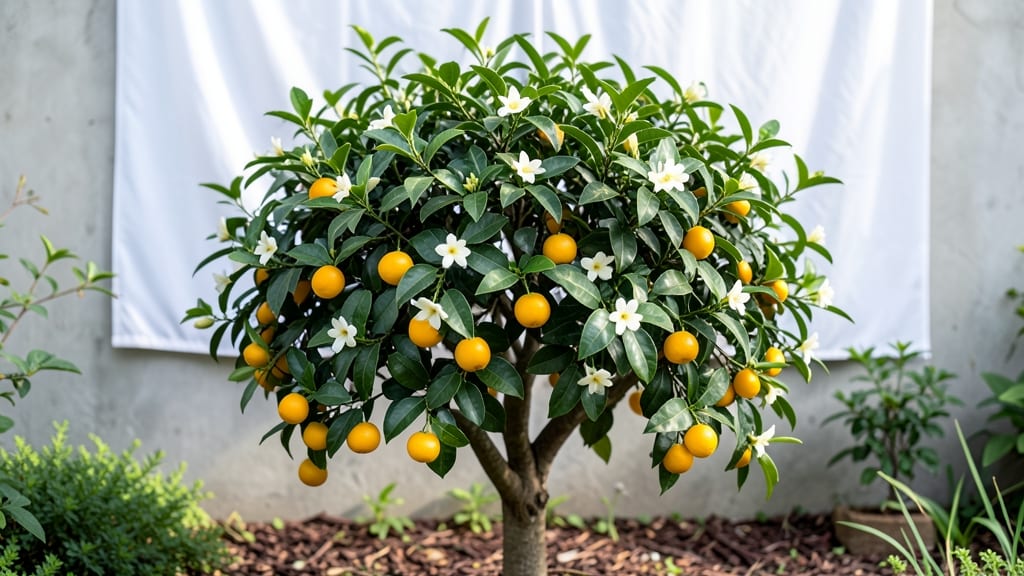
Mastering calamondin tree care is the key to coaxing fruit from your citrus sapling year after year—because this isn’t just another tree. 🌿 I’ve watched mine go from a struggling sapling to a bursting little tree covered in tiny, tart oranges after mastering these simple cuts.
The key isn’t just when you prune, but how—and I’ll show you the exact angles and timing that make all the difference.
This little powerhouse thrives in containers or small yards, making it perfect for urban gardeners. It loves bright light but tolerates indoor spots near windows, and its glossy leaves stay vibrant when you water just right—about once a week in summer, less in winter.
The real magic happens when you prune to encourage bushier growth and more fruit, not fewer. I’ve seen firsthand how a few strategic snips in early spring can double your harvest by summer.
By the time you’re done, you’ll have a calamondin that’s lush, productive, and compact—no sprawling branches or bare stems. The tiny fruits are perfect for marinades, desserts, or just snacking straight off the tree, and the scent of its blossoms in spring is unbeatable.
The best part? These tricks work whether you’re growing it in a 10-gallon pot on your patio or tucked into a sunny corner of your garden.
We’ll cover everything from soil prep to pest control, but start with the pruning—it’s the game-changer that turns a good calamondin into an exceptional one. Ready to see those branches heavy with fruit?
📚 In This Guide
- What you need
- Instructions
- Tips and common mistakes
- Wrapping up and next steps
What you need
- ● Calamondin tree (Citrus × microcarpa) – Start with a healthy 1-3 year old sapling or mature tree (potted or in-ground).
- ● Well-draining potting mix – 50% premium citrus soil + 30% perlite/pumice + 20% compost (for potted trees). Pro tip: Avoid garden soil—it’s too dense! 🌡️
- ○ Pot with drainage holes – 12–18 inches in diameter (for saplings); larger for mature trees. Optional: Self-watering pots for low-maintenance care. ✨
- ● Pruning tools: Bypass pruners (for clean cuts on small branches).
- ● Loppers (for thicker branches, ½–1 inch in diameter).
- ● Sterilizing alcohol (70% isopropyl) or bleach solution (1 part bleach to 9 parts water) to disinfect tools.
- ● Fertilizer – Balanced citrus fertilizer (e.g., 6-6-6 or 8-3-9 ratio). Apply every 4–6 weeks in growing season (spring–fall).
- ● Mulch – Organic mulch (e.g., shredded bark or straw) to retain moisture and regulate soil temp.
- ● Watering can or hose with adjustable nozzle – For deep, infrequent watering (aim for 1–1.5 inches per week).
- ● Sharp pruning saw – For stubborn, woody branches (2+ inches thick).
- ● Garden gloves – Protect your hands from thorns and sap.
- ○ Sealing wax or pruning paste – Optional but helpful for large cuts to prevent disease.
- ● Support stakes or cages – If your tree is top-heavy or needs shaping.
- ● pH test kit – To monitor soil acidity (ideal range: 6.0–7.0 for calamondins).
- ● Sunlight – Full sun (6+ hours daily) for optimal growth. Partial shade in extreme heat (e.g., desert climates).
- ● Temperature – Thrives in USDA zones 9–11. Protect from frost: Move potted trees indoors or use frost cloth. ❄️
- ● Humidity – Prefers moderate humidity (40–60%). Use a humidifier or pebble tray in dry climates.
Step-by-step guide to pruning your calamondin tree for year-round health
Here's how I keep my calamondin thriving—these pruning tricks work every season.
🌿 Step 1: Prune for Shape in Late Winter
Wait until after your last frost date when new growth starts but before buds swell. I grab my sterilized pruning shears and look for branches that cross or grow inward—these compete for sunlight and weaken the tree. Cut just above an outward-facing leaf bud at a 45-degree angle to encourage healthy regrowth.
Remove any dead, diseased, or weak stems first. You'll know a branch is dead if it's brittle, doesn't bend, and has no green underneath the bark when you scrape it. For thicker branches over ½ inch, use your pruning saw to make clean cuts without tearing the bark.
✂️ Step 2: Lighten the Canopy in Early Spring
When you see new spring leaves emerging, it's time to open up the tree's interior. Focus on thinning out 20-30% of the foliage to improve airflow and sunlight penetration. This prevents fungal issues and helps fruit develop properly. I always start at the bottom and work my way up.
Look for branches that are too dense or growing straight up—these block light from reaching lower leaves. Cut back to a leaf bud that faces outward. Avoid removing more than ⅓ of the tree's foliage in one session, or you'll stress the plant. After pruning, wipe your shears with rubbing alcohol to prevent disease spread.
☀️ Step 3: Encourage Fruit Production in Summer
After your calamondin finishes flowering, prune lightly to remove any suckers (shoots growing from the base) and water sprouts (thin, upright growth). These drain energy from fruit production. Use your fingers or small shears to pinch them off at the base—no need for a clean cut here.
If your tree has overly long branches, trim them back by ⅓ of their length to promote bushier growth. This is also when I check for fruit clusters—if they're too heavy, the branches may sag. Remove a few of the heaviest clusters to balance the tree's energy between growth and fruiting.
🪴 Step 4: Clean Up in Fall
As temperatures drop and leaves start yellowing, do a final cleanup. Remove all dead leaves, fallen fruit, and any branches that look weak or diseased. This prevents pests and diseases from overwintering in your tree. I also check for any remaining suckers that might have sprouted and remove them completely.
After pruning, give your calamondin a light fertilizer application to support new growth. Water deeply to help it recover from the pruning stress. If you see any mushroom-like growths at the base of the tree, this is a sign of overwatering—adjust your watering schedule immediately.
Tips & tricks for perfect calamondin tree pruning
Here's what nobody tells you about keeping your calamondin looking its best year after year.
Timing Secret: The "after your last frost date" window is your golden opportunity—wait too long, and you risk pruning new growth that's already started. I always check my local frost calendar and mark it on my gardening planner. If you're unsure, err on the side of waiting a few extra days rather than pruning too early. This ensures your tree has the best chance to recover and produce fruit.
Tool Prep: Sterilizing your pruning shears with rubbing alcohol isn't just about clean cuts—it's about preventing disease spread between cuts. I keep a small bottle of 70% isopropyl alcohol in my gardening toolkit and wipe down shears after every 3-4 cuts, especially when working with diseased branches. For thicker branches over ½ inch, I switch to my pruning saw and make sure to cut just outside the branch collar to prevent damage to the tree.
Visual Pruning Guide: When thinning the canopy in early spring, I use a simple visual trick: imagine looking at your tree from above. Any branches that create "shadows" on other branches are blocking light and should be removed. Aim to create an open, airy structure that allows sunlight to reach all parts of the tree. This isn't about making your tree look perfect—it's about creating an environment where fruit can develop properly.
Seasonal Balance: The 20-30% foliage thinning target in spring might seem arbitrary, but it's based on real plant science. Removing too much stresses the tree, while removing too little defeats the purpose. I think of it like giving my tree a spa day—just enough to refresh it without overwhelming its system. In summer, when removing fruit clusters, I never take more than 20% of the total fruit load to maintain that perfect balance between growth and fruiting.
Pro Tips for Calamondin Tree Care
- Here's what nobody tells you about keeping your calamondin looking its best year after year.
- Timing Secret: The "after your last frost date" window is your golden opportunity—wait too long, and you risk pruning new growth that's already started.
- Tool Prep: Sterilizing your pruning shears with rubbing alcohol isn't just about clean cuts—it's about preventing disease spread between cuts.
Frequently asked questions
Got questions about keeping your calamondin tree happy and healthy? You’re not alone! Here are some of the most common concerns—plus quick, actionable answers to keep your citrusy companion thriving.
How often should I prune my calamondin tree?
Prune your calamondin tree lightly 2–3 times a year: spring (to shape and encourage fruit), summer (after harvest), and early winter (to remove deadwood). Avoid heavy pruning in fall—it stresses the tree before winter dormancy. Pro tip: Use sterilized shears to prevent disease!
Can calamondin trees survive winter frost?
Calamondins are tender citrus—they’ll suffer damage below 25°F (-4°C). If frost is forecast, wrap the trunk in bubble wrap or move potted trees indoors (near a sunny window). For outdoor trees, mulch heavily and drape frost cloth over branches. No recovery? Trim dead branches in spring.
Why aren’t my calamondin oranges ripening?
Lack of fruit ripening often stems from low light or nutrient deficiencies. Ensure your tree gets 6+ hours of sunlight daily and fertilize with citrus-specific food every 2–3 months. Bonus: Hand-pollinate flowers with a soft brush if bees are scarce!
What’s the best soil mix for a potted calamondin?
Use a well-draining mix: 60% peat moss or coconut coir, 30% perlite, and 10% sand. Avoid heavy clay—it causes root rot. For pots, ensure drainage holes and a saucer to catch excess water. Repot every 2–3 years for root health!
How do I get rid of pests like aphids or scale on my tree?
Start with a hose spray to dislodge pests, then treat with neem oil (mix 1 tbsp per quart of water). For severe infestations, use insecticidal soap. Prevent future pests by keeping the tree well-watered and pruning to improve airflow.
Wrapping up and next steps
Caring for your calamondin tree is a rewarding journey that blends art and science—especially when mastering pruning for year-round vibrancy! 🌿 With the right tools, timing, and techniques, you’ll keep your tree healthy, fruitful, and stunning.
Remember: precision in pruning (like shaping for airflow or encouraging blooms) makes all the difference.
Now that you’re armed with 3 key tricks, roll up your sleeves and give your calamondin the TLC it deserves. Next up: Watch your tree flourish with seasonal care tips or share your pruning wins with fellow plant lovers! 🌟