
Size
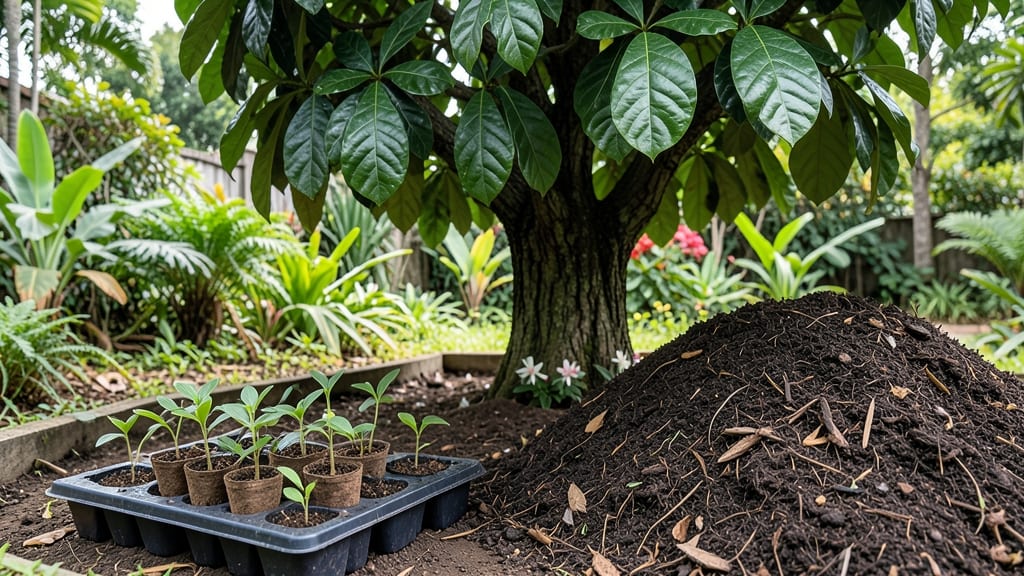
Growing a cacao tree in your garden feels like bringing a slice of the Amazon to your backyard—if you nail the tropical conditions. 🌿 I've watched these delicate trees transform from tiny seedlings into lush canopies over just three seasons, and the secret isn't just patience—it's layering the right environment.
The key starts with mimicking their natural home: shade, humidity, and soil so rich it feels like chocolate itself.
You'll need a spot that stays between 65-85°F year-round, whether that's a greenhouse, shaded patio, or sheltered corner of your yard. The soil must drain well but hold moisture—think 50% coconut coir, 30% compost, and 20% perlite—and young trees crave daily misting or a humidity tray.
Pruning isn't about shaping but encouraging bushier growth by trimming leggy stems back by one-third when they hit 2 feet tall.
By year three, you'll have a 6-foot-tall tree with glossy leaves and—if pollinated—tiny cacao pods. The real magic happens when you harvest those pods (yes, they're edible!) and turn them into homemade chocolate.
The process teaches you how to read a tree's needs: when to water deeper, when to fertilize lightly, and how to spot pests before they take hold.
This works for containers too—just use a 15-gallon pot and rotate it weekly for even light. The biggest mistake? Letting the soil dry out or exposing young trees to drafts. With these tricks, your cacao tree won't just survive—it'll thrive, and your garden will smell like a tropical paradise.
📚 In This Guide
- What you need
- Instructions
- Tips and common mistakes
- Wrapping up and next steps
What you need
- ● Cacao seeds or seedlings: 1–3 (fresh, high-quality seeds or 6–12-month-old seedlings from a reputable nursery).
- ● Large containers or pots: 2–3 (10–15 gallons each) with drainage holes, or a raised bed (if planting directly).
- ● Well-draining potting mix: 5–10 gallons (a blend of coconut coir, perlite, and compost in a 40:30:30 ratio).
- ● Shade cloth (30–50% coverage): Enough to cover seedlings for the first 6–12 months.
- ● Organic fertilizer: Balanced (10-10-10 or 5-5-5) or compost tea for young plants.
- ● Mulch (wood chips or straw): 2–3 inches to retain moisture and regulate temperature.
- ● Watering can or hose with a gentle spray nozzle: For consistent moisture (avoid soggy soil!).
- ● Pruning shears: Sharp, sterilized pair for trimming.
- ● Humidity dome or plastic wrap: Temporary cover for seedlings to retain moisture.
- ● pH testing kit: To monitor soil acidity (ideal: 5.0–6.5).
- ○ Trellis or support stakes: For training young trees (optional but helpful for canopy growth).
- ● Drip irrigation system: For automated watering in warmer climates.
- ● Insecticidal soap or neem oil: For pest control (aphids, mites).
- ● Thermometer/hygrometer: To track temperature and humidity (ideal: 70–85°F, 70–80% humidity).
- ● Garden gloves: To protect hands from thorns and soil.
Step-by-step instructions for growing a cacao tree in your garden
Here's how to turn your garden into a tropical haven with these proven techniques.
🌱 Step 1: Start with the Right Seeds and Soil Mix
Cacao trees thrive in rich, acidic soil with excellent drainage. Begin by sourcing fresh cacao beans from a reputable supplier—avoid store-bought chocolate, as it's often processed and won't germinate. Soak the beans in warm water for 24 hours to soften their hard outer shell. This step is crucial because cacao seeds have a thick, protective coating that slows germination.
After soaking, plant 2-3 seeds per 6-inch pot (yes, that looks like too many, but trust me) about ½ inch deep in a sterile seed-starting mix. The reason we use multiple seeds is that cacao germination rates can be unpredictable. Use a small pot with drainage holes—cacao roots are sensitive to waterlogging, and soggy soil will kill your seedlings before they even sprout.
☀️ Step 2: Create a Humid, Warm Nursery Environment
Cacao trees need warmth and high humidity to germinate, mimicking their tropical rainforest habitat. Place your pots in a location where temperatures stay between 75-85°F—a seedling heat mat helps maintain consistent warmth if your home runs cooler. Cover the pots with clear plastic wrap or a humidity dome to trap moisture, but leave a small gap for airflow to prevent mold.
Keep the soil consistently moist but never soggy—water when the top inch feels dry to the touch. You'll see tiny sprouts emerge in 4-8 weeks, though some seeds may take longer. Here's the thing—don't rush germination by overwatering. Too much moisture drowns the seeds before they break through the soil. Once you spot the first green shoot, remove the plastic cover immediately to prevent damping-off disease.
🌿 Step 3: Gradually Acclimate Seedlings to Light and Air
When seedlings reach 2-3 inches tall (about 3-4 weeks after germination), they're ready for brighter light. Move them to a south-facing window or under a grow light providing 12-14 hours of light daily. Cacao trees need plenty of light to develop strong stems, but avoid direct midday sun at first—it can scorch young leaves. You'll notice the seedlings lean toward the light; rotate the pots a quarter turn every few days to encourage even growth.
After another 2-3 weeks, when the seedlings have 4-6 true leaves, it's time to introduce them to outdoor conditions. Place them in a sheltered, shaded spot for 1-2 hours the first day, gradually increasing exposure over 10-14 days. This hardening-off process prepares them for life in the garden. Skip this step, and you risk shocking the plants with sudden temperature or light changes.
🪴 Step 4: Plant Outdoors in a Protected Microclimate
Choose a warm, sheltered spot in your garden with partial shade (think dappled sunlight under taller trees). Cacao trees love warmth but hate cold drafts or frost—if you live in a cooler climate, plant near a south-facing wall or in a large container that you can move indoors during winter. Dig a hole twice as wide as the root ball but only as deep as the pot it came in—burying too deep can suffocate the roots.
Mix the native soil with compost to improve drainage and fertility. Cacao trees thrive in slightly acidic soil (pH 5.0-6.5), so test your soil and amend with sulfur or peat moss if needed. Water deeply after planting to settle the soil around the roots, and mulch with 2-3 inches of organic mulch to retain moisture and regulate temperature. Real talk: The first year is about establishing roots, so focus on keeping the soil moist but not waterlogged.
Tips & tricks for perfect cacao tree growth
These little-known strategies will help your cacao trees thrive like a tropical pro.
The Seed Selection Secret: When choosing cacao beans, look for plump, firm seeds with a slightly papery shell—these have the highest germination potential. I always buy from specialty tropical nurseries rather than random online sellers, because store-bought chocolate beans are often treated with chemicals that prevent germination. Confession: I skipped this step for years and wondered why my seeds never sprouted!
Germination Timing: The 24-hour soaking period is non-negotiable—this softens the tough outer shell and kickstarts the germination process. After planting, maintain consistent moisture by placing the pots on a tray filled with pebbles and water (the water level should never touch the pots). This creates a humid microclimate that mimics tropical conditions.
Light Transition Strategy: When moving seedlings to brighter light after 3-4 weeks, do it gradually over 5-7 days rather than all at once. I've seen seedlings get sunburned when exposed to full sun too quickly—watch for pale or yellowing leaves as a warning sign. Rotate your pots weekly to prevent leggy growth from leaning toward one light source.
Outdoor Planting Prep: Before transplanting your seedlings outdoors, do a "test run" by placing them in a sheltered spot for 1-2 hours during the day for 3-4 days. This helps them adjust to outdoor conditions without shock. I also recommend waiting until nighttime temperatures stay above 60°F consistently—cacao trees are tropical babies and can't handle cold!
Pro Tips for Cacao Tree Grow A Garden
- These little-known strategies will help your cacao trees thrive like a tropical pro.
- The Seed Selection Secret: When choosing cacao beans, look for plump, firm seeds with a slightly papery shell—these have the highest germination potential.
- Germination Timing: The 24-hour soaking period is non-negotiable—this softens the tough outer shell and kickstarts the germination process.
Frequently asked questions
Got questions about growing your own cacao tree? You’re not alone—this tropical treasure takes patience and care! Here are answers to the most common queries to help you cultivate success.
How long does it take for a cacao tree to produce pods?
A healthy cacao tree typically starts producing pods after 3–5 years of growth, but with the right conditions (like layered soil, shade, and humidity), you can see early blooms in as little as 2–3 years. Patience is key—focus on nurturing strong roots and branches first!
Can I grow a cacao tree in a container or do I need a full garden?
Yes! Cacao trees thrive in 15+ gallon containers with well-draining soil and regular watering. Just ensure the pot has drainage holes and move it outdoors during warm months. For best results, pair it with shade (like banana or citrus trees) to mimic its tropical habitat.
Why are my cacao leaves turning yellow or dropping?
Yellowing leaves (chlorosis) often signal nutrient deficiencies (like magnesium or nitrogen) or overwatering. Check soil moisture—cacao trees hate soggy roots. Adjust with compost or a balanced fertilizer (low in salt), and ensure partial shade. If pests like spider mites are present, treat with neem oil.
How do I know if my cacao tree is male or female?
Cacao trees are dioecious, meaning males and females grow separately. Females produce small, white flowers that later form pods, while males have longer stamens (no pods). For pollination, plant at least one male tree per 5–10 females or hand-pollinate with a paintbrush!
What’s the easiest cacao variety for beginners?
Start with ‘Criollo’ or ‘Trinitario’ varieties—they’re hardier and more adaptable than ‘Forastero.’ Look for grafted saplings (faster fruiting) or seeds from reputable nurseries. Avoid wild seeds, as they may take 10+ years to bear pods!
Wrapping up and next steps
Growing a cacao tree in your garden isn’t just about patience—it’s about layered care, tropical conditions, and a dash of creativity. 🌱 Whether you’re dreaming of homegrown chocolate or a lush, exotic canopy, these tricks will help you nurture a thriving tree in just three years.
Start small, stay consistent, and watch your garden transform into a mini tropical paradise!
Ready to take the next step? Plant your first seedling this season—your future cacao harvest (and sweet rewards!) will thank you. 🍫✨