
Pruning
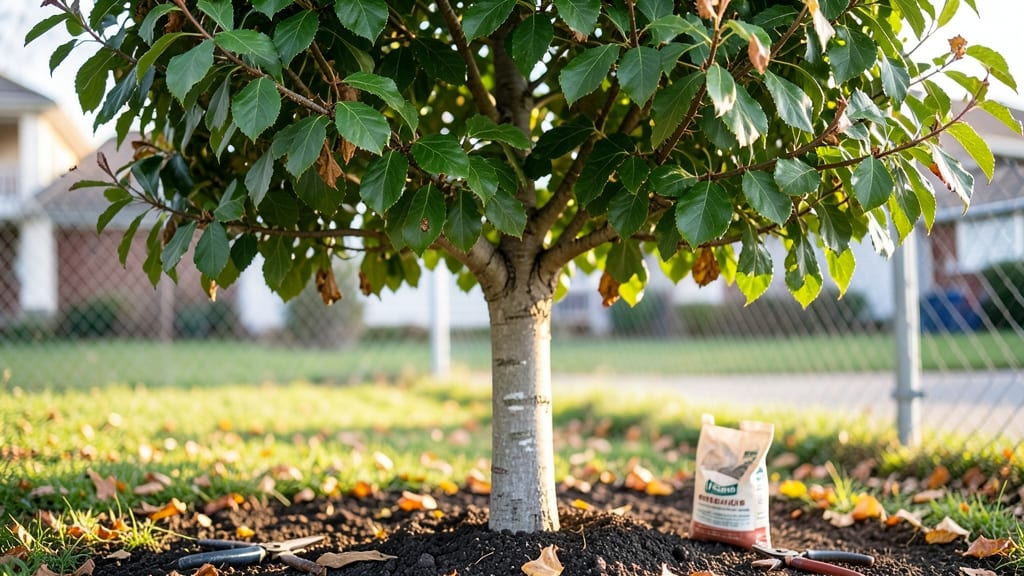
Those Bradford pear tree thorns turn every pruning session into a battle—until you learn the right way to handle them. I’ve spent years wrestling with these sharp branches, and the key isn’t brute force but smart technique.
The thorns don’t make the tree dangerous, but they do make pruning feel like an obstacle course.
Start by wearing heavy-duty gloves—not the flimsy kind that tear after five cuts. A pruning saw with a fine-tooth blade glides through branches cleaner than loppers, and sharp pruning shears reduce snagging.
Work when the tree is dormant (late winter or early spring) to minimize sap and maximize control. The goal? Remove thorns painlessly while keeping the tree healthy.
You’ll end up with smoother branches, fewer snags, and a safer workspace. The tree stays strong, and your hands stay intact. Plus, you’ll spot early signs of disease or pests that hide behind thorny growth. This method works for mature trees or young saplings—just adjust your tools for size.
For those who dread thorns entirely, consider Callery pear varieties like ‘Aristocrat’ or ‘Cleveland Select,’ bred with fewer spines. But if you’re keeping your Bradford, these techniques will make pruning almost enjoyable. Ready to tackle those branches without the pokes?
📚 In This Guide
- What you need
- Instructions
- Tips and common mistakes
- Wrapping up and next steps
What you need
- ● Heavy-duty pruning shears – Bypass-style, 6-8" blades (for clean cuts). Quantity: 1 pair
- ● Loppers – 20-24" reach, bypass or anvil (for thicker branches). Quantity: 1 pair
- ● Pruning saw – 7-10" curved blade (for stubborn branches). Quantity: 1
- ● Thorn-proof gloves – Leather or reinforced fabric, elbow-length. Quantity: 1 pair
- ● Safety glasses – ANSI-rated, for debris protection. Quantity: 1 pair
- ● Rope or harness system – For tall trees (15+ ft), rated for your weight. Quantity: 1
- ● Disinfectant (70% isopropyl alcohol or pruning sealant) – To sterilize tools and cuts. Quantity: Small bottle
- ● Heavy-duty trash bags – For debris disposal. Quantity: 2-3
- ● Pole saw – For high branches (10-20 ft). Quantity: 1
- ● Long-handled pruners – Extendable for hard-to-reach spots. Quantity: 1 pair
- ○ Tree wound dressing – Optional for large cuts (controversial—skip if unsure!)
- ● First-aid kit – In case of thorn pricks (bandages + antiseptic wipes)
Step-by-Step guide to safely pruning Bradford pear tree thorns
Here’s how to tackle those sharp thorns without gloves or heavy tools—just smart technique.
Gather the Right Tools for Precision Work
Bradford pear thorns demand sharp, clean cuts to avoid tearing bark or leaving jagged edges. Start with a pair of bypass pruning shears (not anvil-type) for branches under ½ inch thick, and a pruning saw for thicker stems. I always disinfect my tools with 70% isopropyl alcohol before cutting—this prevents spreading fire blight or other diseases between branches.
Wear long sleeves and closed-toe shoes, but skip the heavy gloves. Instead, use leather gardening gloves with reinforced palms for grip—thorns pierce thin fabric instantly. A small hand saw with a fine-tooth blade works better than shears for stubborn thorns, as it gives you more control over the angle.
Identify and Target Thorn Clusters Strategically
Bradford pears develop thorns most densely on suckers (sprouts from the base), water sprouts (vertical shoots), and branches growing at sharp angles. Look for clusters where thorns radiate outward like a star—these are the spots to prioritize. I mark them with a white chalk marker to avoid missing any during pruning.
Thorns form where the tree experiences stress, often at branch junctions or where light competes. Cut just above a outward-facing bud (about ¼ inch above) to encourage healthy growth in the right direction. Avoid leaving stubs—they invite disease and regrowth. If a branch has multiple thorn clusters, remove it entirely rather than trying to trim selectively.
Make Clean Cuts to Minimize Regrowth
Angle your cuts 45 degrees downward, away from the bud, to shed water and prevent rot. For thorny branches, I make the first cut 6-12 inches below the thorn cluster, then a second cut to remove the thorny section entirely. This two-step method reduces tearing and gives you better control over the final shape.
If a branch is too thick for shears, use the pruning saw to make a smooth, clean cut without crushing the wood. Saw slowly in a single motion—hesitation causes jagged edges that split over time. After cutting, wipe the blade with a damp cloth to remove sap and debris, which can harbor pathogens.
Dispose of Thorny Branches Safely
Never toss thorny branches into lawn clippings or compost—they’ll regrow into invasive suckers. Instead, bag them in thick plastic or burn them (if local laws allow). I like to use heavy-duty contractor bags tied tightly at the top to prevent punctures. For large quantities, a thorn-proof disposal bin with a locking lid is worth the investment.
If you’re mulching, chip the branches first with a wood chipper (with a thorn-resistant screen attached). The resulting mulch can be used around the base of the tree, but avoid piling it directly against the trunk—this encourages rot. Always wear safety glasses when chipping to protect against flying debris.
Monitor and Maintain for Long-Term Safety
Thorn regrowth is most aggressive in spring and early summer, so plan a second pruning session 6-8 weeks after the first. New thorns will be smaller and easier to remove. I schedule this during overcast days to reduce stress on the tree—hot sun after pruning can cause dieback.
Keep an eye on the tree’s overall structure. If thorns persist in certain areas, it may signal nutrient deficiency (add balanced fertilizer in early spring) or overcrowding (thin out competing branches). A well-pruned Bradford pear should have an open canopy with minimal thorn clusters—aim for 10-12 main branches spaced evenly around the trunk.
Tips & tricks for painless Bradford pear thorn removal
Smart pruning turns thorny challenges into manageable tasks—here’s how to make the process smoother and safer.
Tool Selection Matters: In Step 1, bypass pruning shears are essential for clean cuts on branches under ½ inch thick. I’ve learned the hard way that anvil-type shears crush wood, leaving jagged edges that split over time. For thicker stems, a fine-tooth pruning saw gives you the precision needed to avoid tearing bark. Always keep a small spray bottle of 70% isopropyl alcohol nearby to disinfect tools between cuts—this prevents cross-contamination of diseases like fire blight.
Visual Identification for Targeted Pruning: When marking thorn clusters in Step 2, use a white chalk marker to create a visual map of what needs removal. Thorns often form in star-like patterns at branch junctions or where light competes. Focus on suckers and water sprouts first—they’re the most aggressive regrowth points. The ¼-inch rule above outward-facing buds is crucial; this small detail ensures new growth emerges in the right direction without leaving stubs that invite disease.
Two-Step Cutting Technique: The 6-12 inch rule in Step 3 is your secret weapon against regrowth. Making the first cut below the thorn cluster prevents tearing while giving you leverage for the second cut. I’ve seen many gardeners struggle with single cuts that leave stubborn stumps—this method eliminates that problem. Remember to wipe your saw blade clean after each use; sap buildup can harbor pathogens that spread to healthy branches.
Seasonal Timing Strategy: The 6-8 week window between pruning sessions in Step 5 is non-negotiable for controlling regrowth. Spring and early summer are when thorns become most aggressive, so plan your second session accordingly. Overcast days are ideal for pruning—they reduce stress on the tree and prevent dieback from hot sun exposure. If you notice persistent thorn clusters after pruning, it’s often a sign of overcrowding rather than disease.
Pro Tips for Bradford Pear Tree Thorns
- Smart pruning turns thorny challenges into manageable tasks—here’s how to make the process smoother and safer.
- Tool Selection Matters: In Step 1, bypass pruning shears are essential for clean cuts on branches under ½ inch thick.
- Visual Identification for Targeted Pruning: When marking thorn clusters in Step 2, use a white chalk marker to create a visual map of what needs removal.
Frequently asked questions
Got questions about those pesky Bradford pear tree thorns? You’re not alone! Here are some of the most common concerns—and how to tackle them safely and effectively.
How do I safely remove Bradford pear thorns without getting hurt?
Wear heavy-duty gloves (like leather or chainmail) and long sleeves to protect your skin. Use pruning shears or loppers with a smooth cutting motion—never pull or yank thorns. If you’re near the trunk, consider a thorn-proof shield or a pruning saw for thicker branches. Always cut at a 45-degree angle just above a bud to encourage healthy regrowth.
When is the best time to prune Bradford pear thorns?
The ideal time is late winter or early spring (before buds swell) or summer after flowering. Avoid pruning in fall, as it can stimulate new growth that won’t harden off before winter. If you must prune in summer, do it on a cool, overcast day to reduce stress on the tree.
Will removing thorns harm my Bradford pear tree?
Not if done correctly! Bradford pears are fast-growing and resilient, but over-pruning (removing more than 25% of the canopy at once) can stress the tree. Focus on thorn-heavy branches and dead/diseased wood. Thin out crossing branches first to improve airflow and reduce future thorn production.
Are there thornless Bradford pear alternatives?
Yes! If thorns are a dealbreaker, consider these low-thorn or thornless varieties:
- Callery Pear ‘Aristocrat’ – Fewer thorns, disease-resistant
- Callery Pear ‘Cleveland Select’ – Thornless, cold-hardy
- Callery Pear ‘Chanticleer’ – Minimal thorns, compact growth
Wrapping up and next steps
Dealing with Bradford pear tree thorns doesn’t have to be a painful ordeal—just a strategic one! With the right tools, safety precautions, and techniques, you can prune confidently while keeping those sharp thorns at bay. Your garden (and your hands!) will thank you.
Ready to tackle your next pruning session? Grab your gear, follow the steps, and enjoy a safer, thorn-free experience! 🌿✨