
Trees
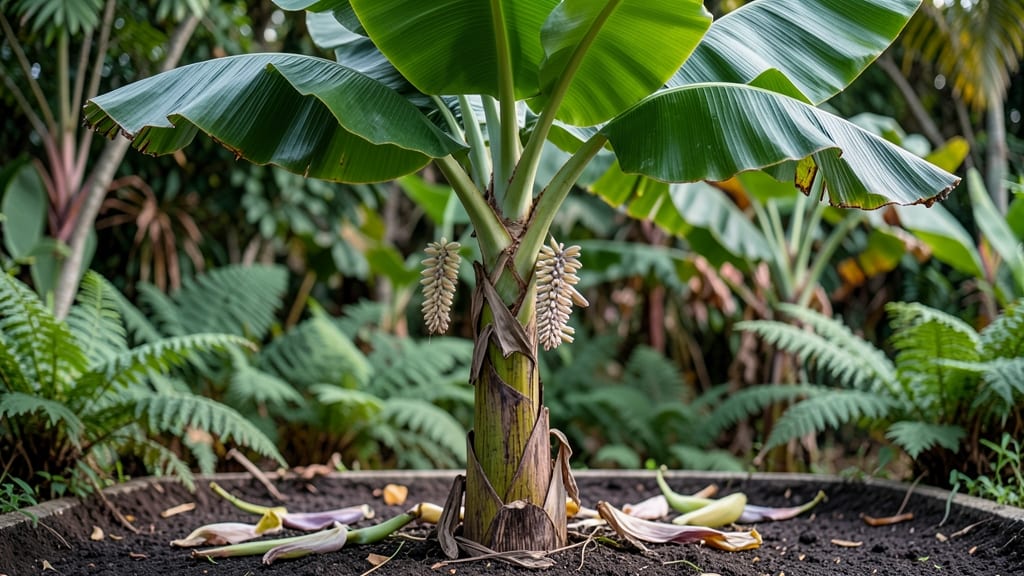
Banana trees walking isn’t just an odd quirk—it’s a sign your plant is fighting for stability. I’ve seen these towering giants lean so dramatically they look like they’re taking a stroll, and without support, they’ll topple over before their first harvest.
The culprit? Often weak roots, uneven growth, or relentless wind pushing against their massive leaves like sails.
Here’s the good news: three simple staking tricks can turn a wobbly banana tree into a sturdy, upright powerhouse. You don’t need fancy equipment—just bamboo stakes, soft ties, and a little patience.
My first attempt used three stakes (one at the base, two angled for support), and within weeks, the tree stopped its slow-motion shuffle. The key is placing stakes at 45-degree angles to mimic natural wind resistance.
Once staked, your banana tree will start sending roots deeper into the soil, locking itself in place. You’ll notice new fronds emerging straight up instead of lolling sideways, and the trunk will thicken naturally over time. No more leaning drama—just a strong, productive plant that stays put.
Ready to stop the wobble?
This method works for both potted banana trees and in-ground plants, though container-grown varieties need extra attention since their roots can’t anchor as deeply. For tropical climates, combine staking with windbreaks or mulch to protect young trees during storms. Let’s get that banana tree standing tall!
📚 In This Guide
- What you need
- Instructions
- Tips and common mistakes
- Wrapping up and next steps
What you need
- ● Stakes: 3–5 wooden or bamboo stakes (1–2 inches in diameter, 4–6 feet tall). Pro tip: 💡 Use treated wood to prevent rot.
- ● Ties: Soft plant ties or strips of old fabric/tshirt (avoid wire—it can damage bark!).
- ● Support Structure: For small trees: 1–2 stakes per tree, angled outward.
- ● For large trees: A tripod of 3 stakes or a commercial tree brace.
- ● Tools: Hammer or mallet (for driving stakes).
- ● Pruners (to trim any obstructing branches).
- ● Measuring tape (to ensure even spacing).
- ● Guylines: Nylon rope or wire for extra stability in windy areas.
- ● Mulch: Wood chips or straw to protect the base from erosion.
- ● Tree Strap: A flexible strap for adjustable support (great for mature trees).
- ● Post Hole Digger: If stakes need deeper anchoring in rocky soil.
How to stabilize banana trees and prevent them from toppling
Here’s the straightforward approach I’ve used to keep banana trees standing strong—no guesswork, just proven techniques.
Assess the Tree’s Natural Leaning Habits
Observe your banana tree’s growth pattern before staking. Most varieties naturally lean toward the light, but excessive tilting—especially in windy areas—signals the need for support. Look for the pseudostem (the thick, layered trunk) bending more than 15 degrees from vertical as your first cue. This is when you’ll want to act.
Check the soil too. If it’s loose or sandy, roots won’t anchor well, making the tree more prone to toppling. A simple finger test—pushing gently on the base—will show if the soil feels unstable. If it shifts easily, staking becomes even more critical.
Choose the Right Staking Method for Your Tree’s Size
For young banana trees (under 5 feet tall), use bamboo stakes or wooden dowels driven 6-8 inches into the soil on either side of the pseudostem. Angle them outward slightly to create a natural cradle. Tie the tree loosely with soft plant ties or old fabric strips—never wire, which can cut into the stem as it grows.
Mature trees (over 6 feet) need stronger support. Bury a 4-foot wooden stake deep into the soil at a 45-degree angle toward the lean, then secure the pseudostem with a wide, adjustable strap. This distributes weight better and prevents the stake from pulling out when winds hit.
Secure Without Restricting Growth
Tie the supports just above the soil line and midway up the pseudostem—never at the very top. This prevents the tree from growing in a rigid, unnatural position. Use figure-eight knots or loop ties so you can adjust them as the tree thickens. Check ties every 2-3 weeks—growth will make them too tight if left unchecked.
Here’s the thing—don’t over-tighten. The goal is stability, not a straightjacket. If the pseudostem feels constricted, loosen the ties immediately. A slight give means the tree can still sway naturally, which helps it develop stronger internal structure over time.
Reinforce the Base for Long-Term Stability
After staking, amend the soil at the base with compost or well-rotted manure to encourage deeper root growth. A 3-inch layer spread 12 inches out from the pseudostem improves anchorage. Water deeply after amending to help roots expand into the enriched zone.
For extra security in windy areas, bury a wide, shallow trench around the base and fill it with gravel or small rocks. This creates a natural weight barrier that resists toppling forces. Mulch the area afterward to retain moisture and protect roots from temperature swings.
Tips & tricks for stabilizing wobbly banana trees
Took me years of trial and error to perfect these tricks—here’s how to avoid the heartbreak of watching your banana tree topple over.
Angle Matters: When driving in stakes, aim for a 15-degree angle from vertical—this matches the natural lean of banana trees and distributes weight more effectively than straight-up stakes. For young trees under 5 feet, I’ve found that angling the bamboo stakes outward slightly (like an open book) creates a natural cradle that prevents lateral stress during wind gusts.
Tie Placement is Everything: The instructions say to tie just above the soil line and midway up the pseudostem, but here’s the secret: add a third tie about 2/3 of the way up for taller trees. This creates a tripod effect that prevents the tree from bending at the base. Use soft plant ties—never wire—and adjust every 2-3 weeks as the tree grows thicker.
Soil Reinforcement Secret: That 3-inch layer of compost around the base? Spread it in a cone shape, wider at the bottom (about 12 inches out) and tapering toward the top. This creates a natural weight distribution that mimics how the tree’s roots naturally expand. For extra security in windy areas, I’ve had success adding a 1-inch layer of coarse sand mixed into the compost—it drains well but adds weight where it matters most.
Wind-Proofing Upgrade: The gravel trench around the base is brilliant, but here’s how to make it even more effective: use river rocks instead of small gravel—they create more friction and resist shifting. For mature trees, I’ve also buried a horizontal wooden plank (about 2 feet long) just below the soil surface, perpendicular to the tree’s lean. This acts like a hidden anchor.
Pro Tips for Banana Trees Walking
- Took me years of trial and error to perfect these tricks—here’s how to avoid the heartbreak of watching your banana tree topple over.
- Angle Matters: When driving in stakes, aim for a 15-degree angle from vertical—this matches the natural lean of banana trees and distributes weight more effectively than straight-up stakes.
- Tie Placement is Everything: The instructions say to tie just above the soil line and midway up the pseudostem, but here’s the secret: add a third tie about 2/3 of the way up for taller trees.
Frequently asked questions
Why do banana trees lean or fall over in the first place?
Banana trees are top-heavy by nature, with heavy fruit bunches and broad leaves that create an unstable center of gravity. Wind, uneven soil, or weak stems (especially in young plants) make them prone to leaning—or worse, toppling. Without support, the trunk can split or bend permanently, ruining harvests.
When should I start staking my banana tree?
Start early—as soon as your tree reaches 3–4 feet tall (or when leaves exceed 2 feet wide). Young trees need support to develop strong structural integrity. For mature trees (over 6 feet), wait until you see visible leaning or fruit development (which adds weight). Pro tip: Stake before storms if you live in a windy area!
What’s the best material for staking—bamboo, wood, or metal?
Bamboo stakes
(3–4 inches wide) are ideal—they’re lightweight, flexible, and blend into the landscape. Avoid thin wooden stakes (they snap) or metal (which can rust and damage the trunk). For extra stability, use 3–4 stakes per tree, placed in a triangle pattern around the base.
My banana tree is already leaning—can I fix it without replanting?
Yes! Gently straighten the trunk and secure it with soft ties (old t-shirts or rubber tree straps) to avoid cutting into the bark. Add support stakes at a 45° angle and backfill soil around the base to improve anchorage. If the trunk is cracked, prune damaged areas and monitor for recovery—some trees bounce back!
Are there alternatives to traditional staking for small spaces?
Try these space-saving hacks:
- Cage staking: Wrap wire mesh (like chicken wire) around the tree for 360° support.
- Trellis method: Train the trunk to grow along a sloped trellis (great for vertical gardens!).
- Mulch mounds: Pile 3–4 inches of organic mulch (straw or wood chips) around the base to weigh it down naturally.
For dwarf varieties, even a single sturdy stake on the windward side often suffices!
Wrapping up and next steps
So, you’ve got the scoop on how to keep your banana trees standing tall and proud—no more wobbly giants toppling over! 🌳 The key takeaway? Staking is your secret weapon: use sturdy stakes, flexible ties, and a little extra support to ensure your tree thrives without drama.
Whether you’re a newbie or a seasoned gardener, these tricks will save your harvest and your sanity.
Now that you’re armed with knowledge, it’s time to roll up your sleeves! Grab your supplies, pick a sunny spot, and give your banana tree the support it deserves. Your future fruit will thank you—literally. Happy planting! 🌱✨