
Pruning
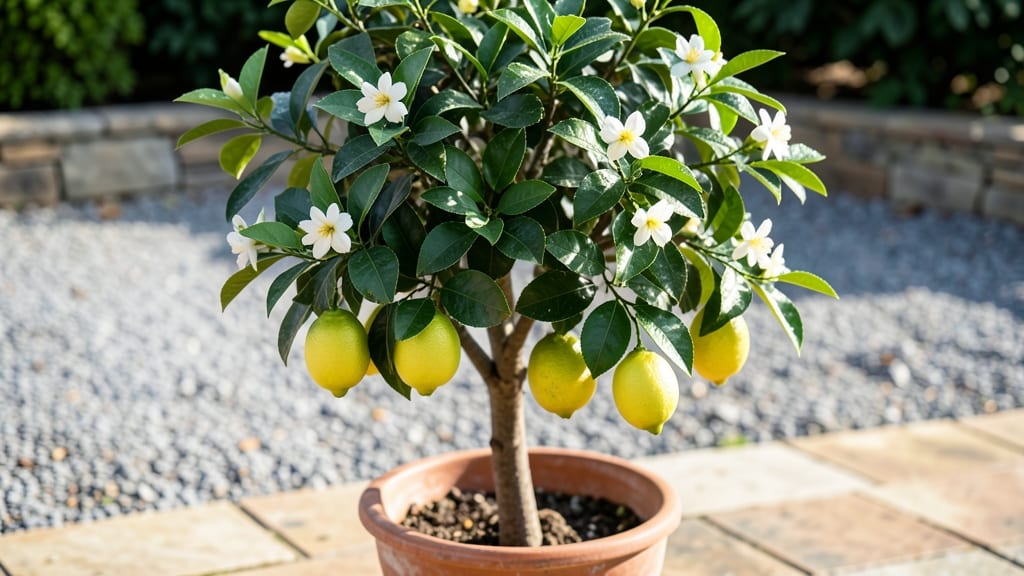
A balcony lemon tree thrives with the right care—and yes, you can grow one even in a small space. 🌿 I’ve watched my Meyer lemon tree produce fruit for three winters in a row, proving that citrus isn’t just for greenhouses or backyards.
The secret lies in choosing the right variety, container, and pruning routine.
Start with a dwarf variety like Meyer lemon (the easiest for beginners) and a pot at least 12-15 inches deep with drainage holes. Place it where it gets 6-8 hours of direct sunlight daily, even in winter.
Well-draining soil mixed with perlite keeps roots happy, and watering when the top inch feels dry prevents root rot.
Pruning isn’t just about shaping—it’s about boosting fruit production. Trim back leggy growth in early spring, cut out crossing branches, and thin crowded stems to improve airflow.
With proper care, you’ll harvest small but sweet lemons by late fall or early winter, and the tree will keep producing for years.
This method works for any balcony, from sunny city patios to shaded apartments (with grow lights). The key is consistency—light, water, and pruning—so your tree stays compact, healthy, and productive. Let’s get growing!
📚 In This Guide
- What you need
- Instructions
- Tips and common mistakes
- Wrapping up and next steps
What you need
- ● Lemon tree sapling or mature plant: Choose a dwarf variety (e.g., Meyer lemon) for balcony-friendly growth. Opt for a 1-3 gallon pot if starting from a nursery.
- ● Container: A 12-18 inch diameter pot with drainage holes (terracotta or fabric pots work best). Ensure it’s at least 12 inches deep for root health.
- ● Well-draining potting mix: A blend of 50% cactus/succulent mix, 30% perlite or pumice, and 20% compost. Avoid heavy garden soil!
- ● Balcony space: A spot with 6+ hours of sunlight daily (south or west-facing is ideal). Wind protection (e.g., a trellis or screen) is a must in breezy areas.
- ● Fertilizer: A balanced citrus fertilizer (e.g., 6-6-6 NPK ratio) or organic options like fish emulsion. Apply every 4-6 weeks during growing seasons.
- ● Pruning tools: Bypass pruners (for clean cuts on small branches)
- ● Loppers (for thicker stems, up to 1-inch diameter)
- ● Sharp pruning saw (for stubborn branches)
- ● Mulch: Pine bark or straw (1-2 inches thick) to retain moisture and regulate soil temperature.
- ● Gloves: Heavy-duty gardening gloves to protect hands from thorns and sap.
- ● Hose with nozzle or watering can: For gentle, deep watering (avoid overhead spraying to prevent fungal issues).
- ● Support stakes or trellis: If your lemon tree grows tall, use bamboo stakes or a small trellis for stability.
- ● Humidity tray or pebble tray: Helps maintain moisture, especially in dry climates.
- ● pH testing kit: Ensures your soil stays in the ideal range of 6.0–7.0 for citrus.
- ● Citrus food or micronutrients: Adds extra zinc or iron if leaves show yellowing (chlorosis).
Step-by-Step instructions for growing a thriving balcony lemon tree
Here's how to coax sweet, fragrant lemons from your small-space citrus tree.
🪴 Step 1: Choose the Right Container and Drainage
Start with a 5-gallon container for each tree—lemon trees need room for roots to spread. Pick a pot with drainage holes (or drill them yourself) because soggy roots will kill your tree faster than anything else. I like terra cotta because it breathes and helps prevent overwatering, but plastic works too if you're diligent about moisture.
Place a 2-inch layer of gravel or broken pottery at the bottom before adding soil. This creates an air pocket that prevents root rot in heavy watering sessions. The gravel also helps excess water drain away from the roots, which is critical for citrus trees that hate wet feet.
🌱 Step 2: Plant with Well-Draining Soil and Position for Sun
Fill the pot with a mix of 70% potting soil and 30% perlite or coarse sand—this ensures drainage while holding enough moisture for citrus roots. Lemon trees thrive in slightly acidic soil (pH 6.0-7.0), so add a handful of sulfur-free citrus fertilizer to the mix before planting.
Plant your tree at the same depth it was in its nursery pot, then water thoroughly until water runs freely from the drainage holes. Place the container in a spot that gets 6-8 hours of direct sunlight daily. A south-facing balcony works best, but west-facing spots can work too—just watch for afternoon heat stress in summer.
☀️ Step 3: Establish a Watering Routine and Monitor Growth
Water deeply when the top 2 inches of soil feel dry—this usually means every 5-7 days in summer, but reduce to every 10-14 days in winter. Lemon trees are drought-tolerant once established, but they hate soggy soil. Stick your finger in the soil before watering; if it's damp below the surface, wait another day.
You'll know you're on track when new growth appears in 4-6 weeks. Healthy leaves should be glossy and dark green, with no yellowing or curling. If you see leaves dropping, it's usually from overwatering or sudden temperature swings—citrus trees despise drafts and cold winds.
✂️ Step 4: Prune for Shape and Fruit Production
Start pruning in late winter or early spring before new growth begins. Remove any dead, diseased, or crossing branches first—these compete with healthy growth. Then, trim back any leggy stems to encourage bushier growth. I like to shape my tree into an open vase form, which lets light and air circulate to the center where fruit forms.
Never cut more than one-third of the tree's foliage at once. Lemon trees produce fruit on new wood, so light pruning in spring stimulates better fruiting. After pruning, fertilize lightly with a citrus-specific formula to support new growth. Watch for small white flowers in 6-12 months—these will turn into your first lemons!
Tips & tricks for perfect balcony lemon tree care
Here's what nobody tells you about keeping your citrus thriving in small spaces.
Container Size Matters: That 5-gallon container isn't just a suggestion—it's non-negotiable for young lemon trees. I've seen people cram them into 3-gallon pots, and within months, the roots circle the bottom like a tangled mess. Upgrade to 7 gallons once your tree hits 3 feet tall, and you'll prevent that classic "root-bound stunting" that keeps trees from fruiting. The extra space lets roots grow outward instead of circling.
Sunlight Secret: The 6-8 hours of direct sun in Step 2 is your golden ticket to sweet lemons, but here's the catch: morning sun is your friend, but afternoon sun in summer can scorch leaves. If your balcony faces west, move your tree to partial shade after 2 PM during peak summer heat. I use a sheer curtain on hot days—it diffuses light without blocking it completely, and my trees thank me with glossier leaves.
Watering Wisdom: That "top 2 inches dry" rule is perfect, but I've ruined trees by ignoring the hidden clue: the weight of the pot. Lift it before watering—if it feels light, you're good. If it's still heavy, wait another day. I also set my pots on saucers with pebbles and water in them. The pebbles wick up moisture, creating a humid microclimate that mimics Mediterranean conditions where lemons thrive.
Pruning Payoff: When you see those first white flowers in 6-12 months, don't panic and cut everything back! Those flowers mean your pruning strategy is working. Instead, focus on removing only the suckers (those little shoots growing from the trunk) and any branches growing inward. I prune in late winter because the tree is dormant—it's like giving it a fresh start before the growing season begins.
Pro Tips for Balcony Lemon Tree
- Here's what nobody tells you about keeping your citrus thriving in small spaces.
- Container Size Matters: That 5-gallon container isn't just a suggestion—it's non-negotiable for young lemon trees.
- Sunlight Secret: The 6-8 hours of direct sun in Step 2 is your golden ticket to sweet lemons, but here's the catch: morning sun is your friend, but afternoon sun in summer can scorch leaves.
Frequently asked questions
Got questions about growing a lemon tree on your balcony?
You’re not alone! Here are some of the most common concerns—and their practical solutions—to help you cultivate a thriving citrus tree year-round.
How much sunlight does a balcony lemon tree really need?
A balcony lemon tree thrives with 6–8 hours of direct sunlight daily. South- or west-facing balconies are ideal. If your space gets less light, supplement with a grow light for 12–14 hours/day. Watch for yellowing leaves—a sign of insufficient light.
How long does it take for a balcony lemon tree to bear fruit?
Patience is key! Dwarf varieties (like Meyer lemon) may produce fruit in 2–3 years with proper care, while standard lemon trees can take 3–5 years. Ensure your tree gets full sun, well-draining soil, and regular pruning to encourage blooming.
When is the best time to prune a balcony lemon tree?
Prune in late winter or early spring (before new growth starts) to shape the tree and remove dead/diseased branches. Light trimming can also happen after harvest to encourage airflow and fruit production. Avoid heavy pruning in fall—it stresses the tree before winter.
Why aren’t my balcony lemon tree’s leaves turning green?
Yellow or pale leaves often signal overwatering, underwatering, or nutrient deficiencies. Check soil moisture (top inch should be dry), ensure proper drainage, and fertilize with a citrus-specific feed every 2–3 months. Brown edges? Likely low humidity—mist leaves or use a pebble tray.
Can I grow a lemon tree in a pot without draining holes?
Nope! Drainage holes are non-negotiable—root rot from soggy soil will kill your tree. If your container lacks holes, place it in a saucer or elevated stand and water sparingly. For extra insurance, use a self-watering pot with a built-in reservoir.
Wrapping up and next steps
Growing a balcony lemon tree is a rewarding journey that brings fresh citrus to your doorstep year-round—with the right pruning techniques, you’ll ensure healthy growth and bountiful harvests! 🌿 Whether you’re trimming for shape, encouraging fruit production, or maintaining airflow, remember that consistency is key.
Start small, observe your tree’s response, and adjust as needed.
Ready to dive in? Grab your pruners, pick a sunny spot, and give your lemon tree the care it deserves! Next, explore seasonal care tips to keep your balcony oasis thriving all year. Happy pruning! 🍋✨