
Pruning
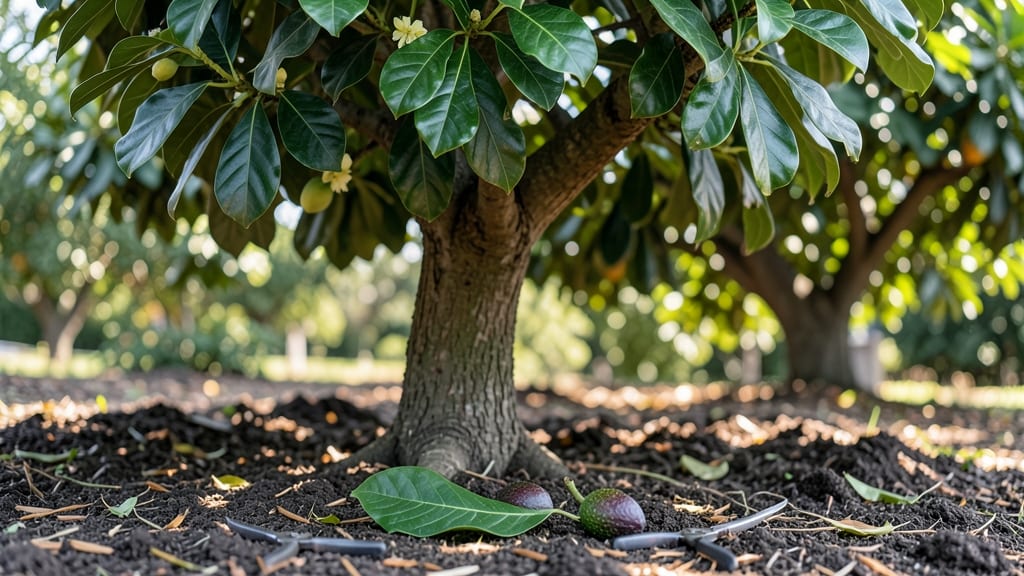
The lifespan of an avocado tree can stretch past 50 years—or fade in just a few seasons—depending on how you care for it.
I’ve watched mine go from a kitchen counter curiosity to a fruit-bearing giant in a decade, and the difference comes down to pruning, sunlight, and a few other key habits most people overlook. The secret isn’t complicated, but it’s not what you’d expect either.
Outdoor trees thrive longest in warm climates like Zone 10-11, where they naturally grow into 100-foot-tall giants—but even dwarf varieties need the right conditions. Indoors, your tree’s lifespan shrinks unless you mimic its tropical roots with bright light, high humidity, and consistent watering.
The biggest mistake? Letting it grow wild—pruning isn’t just about shape, it’s about airflow, sunlight penetration, and stress reduction, all of which add years to its life.
With proper care, you’ll see decades of harvests—imagine peeling your first avocado from a tree you planted as a sapling. The tree will reward you with thicker trunks, stronger branches, and more fruit every year if you focus on root health, pest prevention, and seasonal adjustments.
Even if you’re new to pruning, these techniques are simpler than they look.
Whether you’re growing a bushy patio tree or a towering backyard giant, the principles stay the same. Let’s break down how to keep yours healthy, productive, and alive for generations—starting with the pruning schedule that makes all the difference.
📚 In This Guide
- What you need
- Instructions
- Tips and common mistakes
- Wrapping up and next steps
What you need
- ● Pruning shears: Bypass pruners (sharp, 6-8 inch blades) for clean cuts on small branches.
- ● Loppers: 1 pair (18-24 inch) for thicker branches (½–1 inch diameter).
- ● Pruning saw: 1 handheld saw (for branches >1 inch thick).
- ● Rubbing alcohol (70%+) or bleach solution: 1 small bottle to sterilize tools between cuts.
- ○ Pruning sealant: 1 small tub (optional but helpful for large cuts to prevent disease).
- ● Gloves: 1 pair of cut-resistant gloves (to protect hands from thorns and sap).
- ● Disposable bags or bucket: For collecting pruned debris (1–2 large bags or 1 gallon bucket).
- ● Knowledge of tree structure: Familiarize yourself with avocado tree growth habits (e.g., central leader vs. open vase shape).
- ● Weather check: Prune on a dry, non-windy day to avoid stressing the tree.
- ○ Optional: Ladder or step stool (if tree is >6 feet tall).
- ● Marking spray (paint) to tag branches for removal.
- ● Compost bin for repurposing pruned material.
Instructions for extending your avocado tree’s productive years
Smart pruning transforms a short-lived tree into a decades-long fruit powerhouse.
Understand the Tree’s Natural Growth Cycles
Avocados follow a 3-5 year juvenile phase before producing fruit, then enter a 20-30 year prime period if cared for properly. The key is recognizing when to prune for longevity rather than just yield. Young trees need structural shaping to develop a strong trunk and scaffold branches, while mature trees benefit from renewal pruning to stimulate new growth.
Watch for leaf color changes—healthy foliage stays deep green, while stressed branches yellow or drop leaves prematurely. This is your signal to adjust pruning timing. In colder climates, prune after the last frost when new growth can harden off safely; in tropical zones, prune during dry seasons to reduce disease risk.
Prune for Airflow and Light Penetration
Remove crossing branches first—they rub and create wounds where pests or disease can enter. Use clean, sharp pruners to make cuts just outside the branch collar (the swollen area where the branch meets the trunk). Avoid leaving stubs, as they invite rot. For larger branches, make a two-step cut: undercut first, then top off to control the branch’s fall.
Thin the canopy to let sunlight reach the inner branches—avocado trees need full sun (6+ hours daily) to produce fruit. Aim for a vase-like shape with a dominant central leader and evenly spaced scaffold branches. You’ll know you’ve pruned correctly when the inner trunk shows no moss or algae buildup—a sign of poor airflow.
Renewal Pruning for Older Trees
After 15-20 years, avocado trees often slow fruit production due to overcrowded branches. In late winter, select 2-3 of the oldest, largest branches and cut them back to outward-facing buds about 12-18 inches from the trunk. This encourages vigorous new growth while reducing the tree’s overall size. Younger trees shouldn’t undergo this—wait until they’ve established a strong framework.
Fertilize lightly after pruning with balanced 6-6-6 or 8-3-9 to support new growth. Water deeply once a week for the first month post-prune, then taper to every 10-14 days once roots re-establish. You’ll see new shoots within 4-6 weeks—these will become your tree’s future fruit-bearing branches.
Seasonal Maintenance to Prevent Stress
Lightly trim dead or diseased branches year-round, but avoid heavy pruning during hot summers or winter dormancy. Instead, focus on sanitation: remove any branches with blackened tips (fungal issues) or peeling bark (bacterial canker). Disinfect your tools with 70% isopropyl alcohol between cuts to prevent spreading pathogens.
Monitor the tree’s growth rate—if branches extend more than 12 inches per year, it’s likely over-fertilized. Adjust to monthly applications of compost tea instead of synthetic fertilizers, which can burn roots over time. A well-maintained tree will show consistent leaf drop in fall (natural) rather than sudden defoliation (stress-related).
Harvest Strategically to Prolong Productivity
Never remove more than 1/3 of the fruit in a single harvest—this weakens the tree’s energy reserves. Use a fruit pick or pruning saw to cut stems 1-2 inches from the branch, leaving the stem stub intact. Harvest when the fruit yields slightly to gentle pressure and the skin darkens from green to deep purple/black. Timing is critical: overripe fruit falls prematurely, while underripe fruit won’t ripen properly.
After harvest, apply a thin layer of mulch (2-3 inches) around the base to retain moisture and regulate soil temperature. Avoid piling mulch against the trunk—this can cause rot. With this approach, your tree can fruit for 50+ years, far outlasting the typical 20-year lifespan of neglected specimens.
Tips & tricks for maximizing your avocado tree's fruitful lifespan
Here's what I learned after years of watching avocado trees thrive—or struggle—under different pruning approaches.
Timing is Everything: The instructions emphasize pruning after the last frost in colder climates, and I can't stress this enough. Young trees need that protected window to establish their framework without frost damage. In tropical zones, dry season pruning isn't just about convenience—it's about preventing fungal spores from splashing onto fresh cuts during rainy periods. I've seen trees with perfect pruning timing produce fruit for 30+ years, while those pruned at the wrong time struggled through their prime years.
Branch Collar Matters: When making cuts in Step 2, focus on the branch collar—the swollen area where the branch meets the trunk. This is where the tree's natural healing response originates. I learned this the hard way after seeing multiple trees develop cankers from improper cuts. Use clean, sharp pruners and make your cut just outside this collar. For larger branches, the two-step cut method prevents tearing that can introduce pathogens.
Renewal Pruning Strategy: The 15-20 year mark is when most avocado trees start showing their age through reduced fruit production. This is exactly when you should implement renewal pruning as described in Step 3. Selecting 2-3 of the oldest branches to cut back to outward-facing buds creates a dramatic turnaround. I've seen trees that were nearly barren for years produce abundant fruit within just two growing seasons after this technique. The key is patience—wait until the tree has established a strong framework before attempting this.
Post-Pruning Care: The instructions mention fertilizing lightly after pruning, but I've found that the first month is critical. Watering deeply once a week supports root recovery, and monitoring for new shoots within 4-6 weeks confirms you've stimulated growth correctly. I recommend using a balanced fertilizer like 6-6-6 or 8-3-9 immediately after pruning, then switching to compost tea monthly once new growth appears. This two-phase approach prevents nutrient shock while encouraging vigorous regrowth.
Pro Tips for Avocado Tree Lifespan
- Here's what I learned after years of watching avocado trees thrive—or struggle—under different pruning approaches.
- Timing is Everything: The instructions emphasize pruning after the last frost in colder climates, and I can't stress this enough.
- Branch Collar Matters: When making cuts in Step 2, focus on the branch collar—the swollen area where the branch meets the trunk.
Frequently asked questions
Got questions about how long your avocado tree will thrive—or how to keep it productive for decades? Here are answers to the most common curiosities about avocado tree lifespan, pruning, and care:
How long does an avocado tree typically live?
With proper care, avocado trees can live for 50 to 100+ years! While they may take 3-5 years to bear fruit, mature trees can produce avocados for decades. Regular pruning, well-draining soil, and protection from frost (they’re tropical!) are key to longevity.
Can pruning extend an avocado tree’s lifespan?
Strategic pruning removes dead/diseased wood, improves airflow (reducing fungal risks), and encourages stronger growth. Focus on open-center shaping and removing suckers to maintain health. Just avoid over-pruning—never cut more than 25% of the canopy in one session.
What’s the best time of year to prune for longevity?
Prune during late winter or early spring (just before new growth starts). This timing minimizes stress and lets the tree recover before summer heat. Avoid pruning in fall—it can stimulate tender growth vulnerable to frost. Pro tip: Sterilize tools with rubbing alcohol to prevent disease spread!
Why is my avocado tree dying even though it’s 10+ years old?
Common culprits include root rot (from overwatering), pests like avocado lace bugs, or nutrient deficiencies (yellow leaves = nitrogen lack). Check drainage, inspect leaves for pests, and test soil pH (ideal: 6.0–7.0). If roots are mushy, repot or improve soil aeration.
Can I grow a dwarf avocado tree to save space?
Yes! Dwarf varieties like ‘Wurtz’ or ‘Mexicola’ stay under 15 feet tall but still produce fruit. Grafting onto a dwarf rootstock is another option. Just note: dwarf trees may live shorter (20–30 years) than standard varieties. Ensure they get 6+ hours of sunlight daily for best results.
How often should I fertilize a mature avocado tree?
Feed mature trees every 3–4 months with a balanced fertilizer (6-6-6 or 8-3-9), plus micronutrients like zinc and manganese (critical for avocados!). Avoid over-fertilizing—too much nitrogen causes leafy growth but fewer fruits. Test soil annually to adjust ratios.
Wrapping up and next steps
Understanding your avocado tree’s lifespan—potentially 150+ years with proper care—is just the first step to a lifetime of harvests! 🌿 Smart pruning, regular health checks, and patience are your best tools to keep your tree thriving.
Whether you’re a seasoned gardener or just starting, every trim brings you closer to those juicy, creamy rewards.
Ready to take action? Start today by scheduling your first pruning session and monitoring your tree’s growth. Your future avocado toast awaits—happy growing! 🥑✨