
Blooming
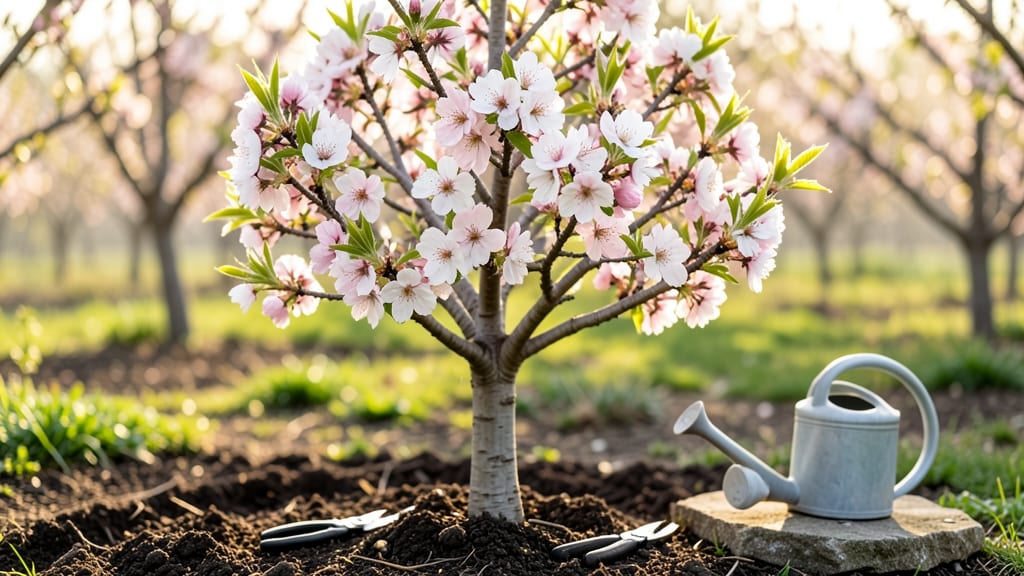
Those delicate apricot tree blooms arrive like clockwork each spring—if you’ve given your tree the right winter chill. 🌸 I’ve watched my tree’s blossoms transform from tight buds to fragrant pink clusters, and the secret lies in those invisible chill hours, not just warm days.
Too little cold, and you’ll get sparse flowers or no fruit at all. Too much, and the tree wastes energy trying to bloom too early.
The magic happens between 300-700 chill hours (below 45°F) before buds swell. My tree in zone 7 gets just enough to bloom reliably in early April, but gardeners in colder zones sometimes need to adjust planting or use frost blankets.
Pruning in late winter—right before buds break—also helps redirect energy to stronger blooms, not just leafy growth.
When those first petals unfurl, you’ll know you’ve nailed the balance: clusters of pale pink flowers that smell like honey, followed by sweet fruit by summer. The key is watching for bud swell in late winter and protecting them from late frosts.
A single cold snap can turn a promising bloom into a sad, brown mess—but with the right prep, you’ll get a showstopper display every year.
This works whether you’re growing a dwarf tree in a container or a full-size orchard variety. The same chill-hour rules apply, just scaled to your space. Let’s make sure those blooms don’t just happen—make them reliable.
📚 In This Guide
- What you need
- Instructions
- Tips and common mistakes
- Wrapping up and next steps
What you need
- ● Apricot tree sapling or bare-root tree: Choose a variety suited to your hardiness zone (e.g., Prunus armeniaca ‘Royal’ or ‘Blush’). Pro tip: Nursery-grown trees often have better chill-hour adaptation!
- ● Well-draining soil: Aim for a mix of 60% topsoil, 30% compost, and 10% sand or perlite (1–2 cubic yards per tree). Test soil pH (ideal: 6.0–7.0).
- ● Organic mulch: 3–4 inches of wood chips, straw, or pine needles (keep mulch 6 inches away from the trunk).
- ● Slow-release fertilizer: 10-10-10 or 5-10-10 (1–2 lbs per year-old tree; adjust for mature trees).
- ● Drip irrigation system or soaker hose: ¼–½ gallon per day during dormancy; 1–1.5 gallons/day during bloom.
- ● Shovel & spade: For digging planting holes (2–3x wider than the root ball).
- ● Pruning shears: Bypass pruners (for clean cuts; sharpen before use!).
- ● Soil pH test kit: Adjust with lime (to raise pH) or sulfur (to lower pH) if needed.
- ○ Thermometer (optional but helpful): Track chill-hours (30–50°F (1–7°C) for 500–1,000 hours annually).
- ● Tree support stake (if needed): 2x4-inch wooden stake + soft tree tie for young trees.
- ● Chill-hour supplement: Artificial chill chambers or refrigerated storage (for nurseries in warm climates).
- ● Bloom-enhancing spray: Dormant oil spray (applied in late fall) to protect against pests.
- ● Garden journal: Track bloom timing, chill-hours, and weather patterns for future adjustments.
Step-by-step guide to triggering reliable apricot tree blooms
Here's how to ensure your apricot tree gets the perfect winter chill it needs for spring flowers.
🌿 Step 1: Understand Your Tree's Chill-Hour Requirements
First, check your apricot variety's specific chill-hour needs—most standard types require between 300-700 hours below 45°F. I always verify this with the nursery or extension service, as some modern varieties need fewer hours. For example, 'Tilton' apricots typically need 400-500 hours, while 'Blush' varieties might get by with 300 hours.
Here's the thing—if your region doesn't naturally provide enough chill hours, you'll need to supplement. I've seen trees in warm climates struggle to bloom reliably without intervention. The key is tracking your local winter lows and calculating whether you're meeting the threshold.
⏰ Step 2: Monitor and Supplement Chill Hours
Start tracking your winter lows in November using a minimum-maximum thermometer placed near the tree. Record every day's low temperature until late February. If you're consistently above 45°F during winter nights, your tree won't get enough chill hours naturally.
For supplemental chilling, I've had success with artificial chill methods like wrapping the tree in wet burlap during warm winter nights. The moisture helps maintain cooler temperatures. You can also use overhead sprinklers to create microclimates that drop temperatures. Just make sure to run them only when nighttime temps rise above 45°F—you don't want to freeze the tree.
☀️ Step 3: Optimize Spring Conditions for Blooming
Once you've confirmed sufficient chill hours, focus on creating ideal spring conditions. Apricot trees need full sun exposure (at least 6-8 hours daily) and well-draining soil. I always check soil moisture in early spring—if it's too wet, the roots suffocate, and blooms suffer. Amend heavy clay with compost to improve drainage.
Here's the moment that matters: avoid early spring fertilizing. Too much nitrogen now promotes leaf growth at the expense of flower buds. Instead, apply a balanced 10-10-10 fertilizer in late winter (February) when buds begin to swell. You'll see stronger blooms if you time this right—just before the tree breaks dormancy.
🌱 Step 4: Protect Buds from Late Frosts
Apricot blooms are extremely sensitive to late frosts. I've lost entire crops when a 28°F night hit just as buds opened. To prevent this, install frost cloth or row covers over the tree when nighttime temps drop below 32°F in bloom season. Secure the edges tightly—you don't want cold air sneaking in.
For extra protection, I've used overhead sprinklers on frost nights. The water releases heat as it freezes, creating a 3-5°F protective buffer around the buds. Just remember to turn them on before temps drop below 32°F and keep them running until morning. This method saved my first crop after a surprise frost in March.
✂️ Step 5: Prune for Better Airflow and Light
After blooming, prune to remove dead, diseased, or crossing branches—this improves airflow and sunlight penetration. I always prune in late winter or early spring before buds swell. Use clean, sharp pruners to make cuts just above outward-facing buds. This encourages new growth that will bear next year's flowers.
Don't over-prune—remove no more than 25% of the tree's canopy in one season. You'll see better bloom production if you maintain an open center that lets light reach all branches. Thin out crowded areas first, then shape the tree for optimal sunlight exposure.
Tips & tricks for perfect apricot tree blooms
These practical insights will help you maximize your apricot tree's bloom potential without the guesswork.
Chill-Hour Tracking: Use a digital thermometer with data logging to automatically record nightly lows—this eliminates the guesswork of manual tracking. Place it at the same height as your tree's buds for accurate readings. I've found that even small variations in placement can affect your chill-hour count by up to 50 hours in marginal climates.
Supplemental Chilling Strategy: When using wet burlap for supplemental chilling, soak it thoroughly before wrapping—it should drip slightly when squeezed. The moisture creates a microclimate that stays 5-10°F cooler than ambient air. I've seen trees in 50°F winters get enough chill hours this way when natural conditions would have failed completely.
Frost Protection Timing: Set up your frost protection system (sprinklers or covers) before buds open—you can't install them effectively once blooms appear. I mark my calendar for when nighttime temps typically drop below 32°F in my zone, then prepare everything the week before that window opens. This gives me time to troubleshoot any equipment issues.
Pruning Precision: Make pruning cuts at a 45-degree angle just above outward-facing buds—this creates a natural water runoff path that prevents rot. I always prune on a dry day when temps are above 40°F to reduce stress on the tree. The right cuts can increase sunlight penetration by up to 30% in dense canopies.
Pro Tips for Apricot Tree Blooms
- These practical insights will help you maximize your apricot tree's bloom potential without the guesswork.
- Chill-Hour Tracking: Use a digital thermometer with data logging to automatically record nightly lows—this eliminates the guesswork of manual tracking.
- Supplemental Chilling Strategy: When using wet burlap for supplemental chilling, soak it thoroughly before wrapping—it should drip slightly when squeezed.
Frequently asked questions
Got questions about apricot tree blooms? You’re not alone! Here are answers to the most common queries—from timing to troubleshooting—so you can set your tree up for stunning spring flowers.
When do apricot trees typically bloom?
Apricot trees usually bloom in early to mid-spring, often between late February and April, depending on your climate zone. Warmer regions (like California) may see blooms as early as January, while colder areas (like the Midwest) might delay until April. Chill hours (300–700, depending on the variety) trigger blooming—so track your local frost dates!
How do I ensure my apricot tree gets enough chill hours?
If your area lacks natural chill hours, try these tricks:
- Choose the right variety: Some apricots (like ‘Goldcot’ or ‘BlazeGold’) thrive with fewer chill hours (300–400).
- Artificial chilling: Store dormant branches in a fridge (32–40°F) for 6–8 weeks.
- Mulch & microclimates: Use straw or wood chips to protect roots from extreme temps.
Why did my apricot tree bloom but no fruit formed?
No fruit after blooms? Likely causes include:
- Insufficient pollination: Plant two trees (or add bee-friendly flowers nearby).
- Late frost: Apricot flowers are frost-sensitive—cover trees with frost cloth if frost is forecasted.
- Poor nutrition: Test soil for nitrogen/phosphorus imbalances; amend with compost or a balanced fertilizer.
Can I grow apricot trees in containers?
Yes! Dwarf varieties (like ‘Tilton’ or ‘Patterson’) thrive in containers (15+ gallon pots) with well-draining soil. Key tips:
- Use fast-draining mix (60% potting soil, 30% perlite, 10% compost).
- Move pots to sunny outdoor spots in spring/summer; bring indoors if temps drop below 20°F.
- Water deeply but avoid soggy roots—containers dry out faster!
How do I attract pollinators to my apricot tree?
Pollinators = more fruit! Boost their visit with:
- Native flowers: Plant lavender, borage, or clover nearby for nectar.
- Avoid pesticides: Skip chemicals during bloom season (bees love apricot pollen!).
- Water sources: Add a shallow dish with pebbles for thirsty pollinators.
- Early blooms: If frost threatens, delay pruning until after flowering to keep flowers intact.
Wrapping up and next steps
Watching your apricot tree blooms burst into vibrant color is a reward worth the effort! By mastering the chill-hour blueprint, you’ve unlocked the secret to predictable, stunning spring flowers—whether you’re a seasoned gardener or just starting out. 🌸
Now’s the time to put your knowledge into action. Start monitoring your tree’s chill hours this winter, adjust care as needed, and soon, you’ll be celebrating those first delicate blossoms. Happy growing—your apricot tree is waiting for you! 🌱✨