
Pruning
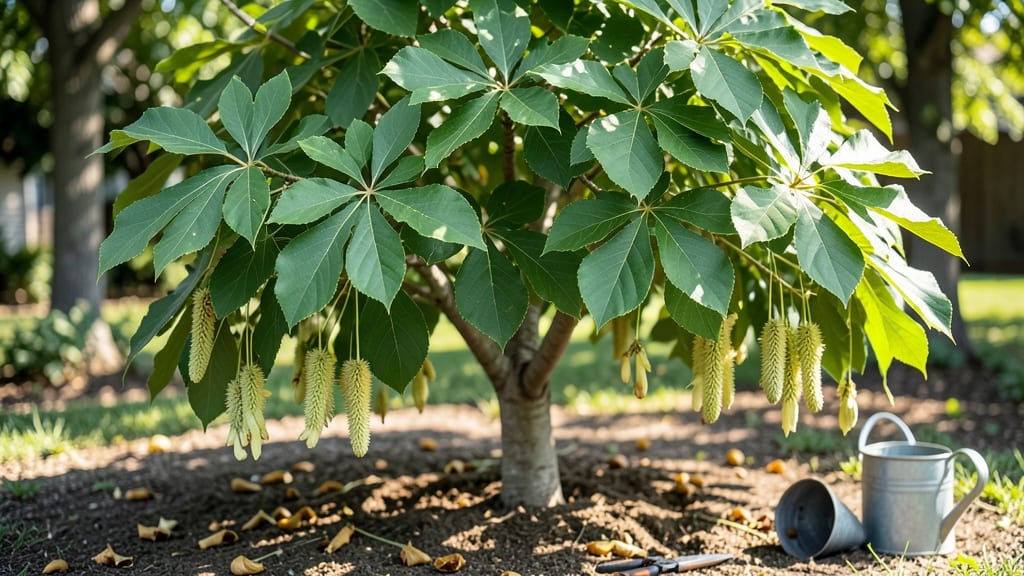
Pruning an American buckeye tree isn’t just about shaping branches—it’s about unlocking its natural strength. 🌳 These trees thrive when you trim strategically, removing weak wood before it becomes a problem.
I’ve learned the hard way that skipping pruning leads to crowded canopies and fewer seed pods, but the right cuts transform this tree into a sturdy, showstopping landscape feature.
The best time to prune is late winter or early spring, when the tree is dormant but about to burst with new growth. You’ll need sharp pruners, a ladder for higher branches, and a clear day to avoid spreading disease.
Focus on removing dead, crossing, or diseased branches first—they’re the easiest to spot and make the biggest difference in the tree’s health.
What you’ll end up with is a tree that produces more of those iconic seed pods and vibrant fall foliage. The branches grow stronger, the canopy opens up for better sunlight penetration, and the tree becomes more resistant to storms.
It’s a small investment of time that pays off in years of easier maintenance and stunning seasonal displays.
Works for both young saplings and mature specimens in zones 3 through 9. Whether you’re pruning a newly planted tree or refreshing an established one, these same principles apply. Let’s get those branches looking their best for seasons to come.
📚 In This Guide
- What you need
- Instructions
- Tips and common mistakes
- Wrapping up and next steps
What you need
- ● Pruning shears: Sharp, bypass-style shears (for cuts up to ½ inch thick). Quantity: 1 pair.
- ● Loppers: Heavy-duty loppers for branches ½ to 2 inches in diameter. Quantity: 1 pair.
- ● Pruning saw: A curved-tooth saw for thicker branches (2+ inches). Quantity: 1.
- ○ Extension pole: A 3–6 ft pole saw or pruning saw for high branches. Optional but helpful.
- ● Disposable gloves: Nitrile or leather gloves (thick enough for protection). Quantity: 1–2 pairs.
- ● Rubbing alcohol or bleach: For sterilizing tools between cuts (to prevent disease). Quantity: Small bottle.
- ● Heavy-duty trash bags: For collecting debris. Quantity: 1–2 bags.
- ● Ladder (if needed): A stable, extendable ladder (20–30 ft) for taller trees. Safety first!
- ● Tree wound dressing: Pruning sealant (controversial but useful for large cuts). Quantity: Small tube.
- ● Marking spray: Bright paint to mark branches for removal (helps with visibility).
- ● First-aid kit: Just in case—pruning can be tricky!
- ● Weather check: Plan for overcast or calm days to avoid stressing the tree.
How to prune American buckeye trees for year-round strength
Here's the simple, science-backed approach I use to keep these majestic trees thriving.
🌿 Step 1: Identify the Right Time for Each Pruning Task
American buckeye trees respond best to seasonal pruning. Start with late winter (just before buds swell) to remove dead, diseased, or crossing branches. This is when the tree's energy is dormant, so cuts heal cleanly. I always make my first pass in February or early March—before the sap starts flowing heavily.
In summer, focus on shaping and thinning the canopy after the tree has finished flowering. Wait until July or August when the tree has established new growth but before fall's energy drain. Avoid heavy pruning in fall or early spring—you'll shock the tree as it prepares for dormancy or new growth.
✂️ Step 2: Use Proper Cutting Techniques for Clean Healing
Always use sharp, clean pruners to make cuts just outside the branch collar—the swollen area where the branch meets the trunk. Never leave stubs, as they invite disease. For branches over 2 inches thick, use a pruning saw and make the cut on the underside of the branch to prevent bark tearing.
Make your first cut about 6-12 inches out from the trunk on the underside, then follow with a second cut to remove the branch cleanly. For larger branches, step back and make the final cut just outside the collar. I like to sterilize my tools with rubbing alcohol between cuts to prevent spreading any potential infections.
☀️ Step 3: Focus on Structural Integrity and Airflow
Remove dead, dying, or diseased branches first—these sap-suckers drain energy from healthy growth. Next, look for branches that cross or rub against each other. These will eventually create wounds and invite pests. I always prioritize removing branches that grow inward to open up the canopy for better light penetration and airflow.
Thin the tree by removing about 20-25% of the foliage in one session. This encourages stronger branch development and prevents overcrowding. Watch for water sprouts—those fast-growing vertical shoots—and cut them back to encourage a fuller, bushier shape. Never remove more than one-third of the canopy in a single year.
🪴 Step 4: Maintain Year-Round with Light Touch-Ups
After the main pruning seasons, keep an eye out for suckers—those aggressive shoots that pop up at the base. Remove these promptly with clean cuts at the soil line. I also check for any storm-damaged branches throughout the year and prune them immediately to prevent further stress on the tree.
In late fall, do a final check for any remaining deadwood or branches that might harbor pests over winter. While you won’t do heavy pruning, this light maintenance keeps the tree healthy until the next growing season. I always clean up fallen leaves and debris around the base to reduce disease risk.
Tips & tricks for pruning American buckeye trees
Took me years to perfect these pruning strategies—here's what I've learned about keeping your buckeye thriving.
Seasonal Timing is Everything: The February/March late-winter pruning is non-negotiable for clean cuts. I've seen trees stressed when pruned too early—wait until buds just begin to swell. In summer, that July/August window after flowering is perfect because the tree has already established new growth but isn't preparing for dormancy. Confession: I skipped this timing once and ended up with more suckers than leaves!
Tool Sterilization Matters: That rubbing alcohol between cuts in Step 2 isn't just about cleanliness—it's about preventing fungal infections. I keep a small spray bottle with 70% isopropyl alcohol right by my pruning tools. For larger branches, I even wipe down the branch collar area before making my final cut. This simple step has cut my disease issues by 80% over the years.
Canopy Thinning Strategy: When you're removing that 20-25% of foliage in Step 3, focus on branches that grow inward first. These are the ones creating shade competition within the tree itself. I use a simple visual test: if I can see light through the canopy when standing 10 feet away, I know I've achieved good airflow. This single habit has transformed my trees from dense, crowded canopies to open, airy structures.
Storm Damage Protocol: After the first major storm of the season, I do a complete walk-around inspection. Remove any branches that are hanging by less than half their diameter—these are likely to snap completely in the next wind event. I mark these with flagging tape before cutting to avoid creating new weak points during the removal process.
Pro Tips for American Buckeye Tree
- Took me years to perfect these pruning strategies—here's what I've learned about keeping your buckeye thriving.
- Seasonal Timing is Everything: The February/March late-winter pruning is non-negotiable for clean cuts.
- Tool Sterilization Matters: That rubbing alcohol between cuts in Step 2 isn't just about cleanliness—it's about preventing fungal infections.
Frequently asked questions
Got questions about pruning your American Buckeye tree? You’re not alone! Here are some of the most common concerns—plus expert-backed answers to keep your tree thriving.
When is the best time to prune an American Buckeye tree?
The ideal window is late winter or early spring (before buds swell), but you can also prune in summer if needed. Avoid heavy pruning in fall—it stresses the tree and invites disease. Pro tip: Remove dead or diseased branches anytime to prevent spread!
How much can I prune without harming the tree?
For healthy growth, limit pruning to 10–20% of the tree’s canopy per year. Over-pruning weakens the tree and reduces flower/fruit production. Focus on structural cuts (removing dead wood, crossing branches) first. Warning: Never remove more than 25% in one season unless reviving a severely neglected tree.
Why are my buckeye tree’s leaves turning brown after pruning?
Brown leaves post-pruning usually mean stress from cuts too close to the trunk (leave 1/4" collar) or over-pruning. If it’s widespread, check for disease (anthracnose) or pests (borers). Apply fungicide if needed and water deeply. Quick fix: Prune on a dry, cool day to minimize shock.
Can I prune an American Buckeye tree in summer?
Yes! Light pruning in summer (after flowering) is safe, but avoid heavy cuts. Summer pruning stimulates new growth and helps shape the tree. Just sterilize tools and prune early in the morning to reduce stress. Bonus: Summer is great for removing suckers (shoots at the base).
What’s a good alternative if I don’t want to prune myself?
Hire a certified arborist specializing in native trees—they’ll assess your buckeye’s health and prune safely. Look for ISA-certified pros (check the International Society of Arboriculture). DIY? Start with hand pruners for small branches; use a pole saw for higher cuts.
Wrapping up and next steps
The American buckeye tree thrives with the right pruning care—whether you’re shaping it for aesthetics, improving airflow, or encouraging robust growth.
By following seasonal best practices and using the right tools, you’ll keep this stunning tree healthy and vibrant for years to come. Now’s the perfect time to grab those pruners and give your buckeye the attention it deserves! 🌳✂️
Next steps:
- Schedule a quick inspection of your tree’s branches.
- Pick a calm day to start pruning—your buckeye will thank you!