
Pruning
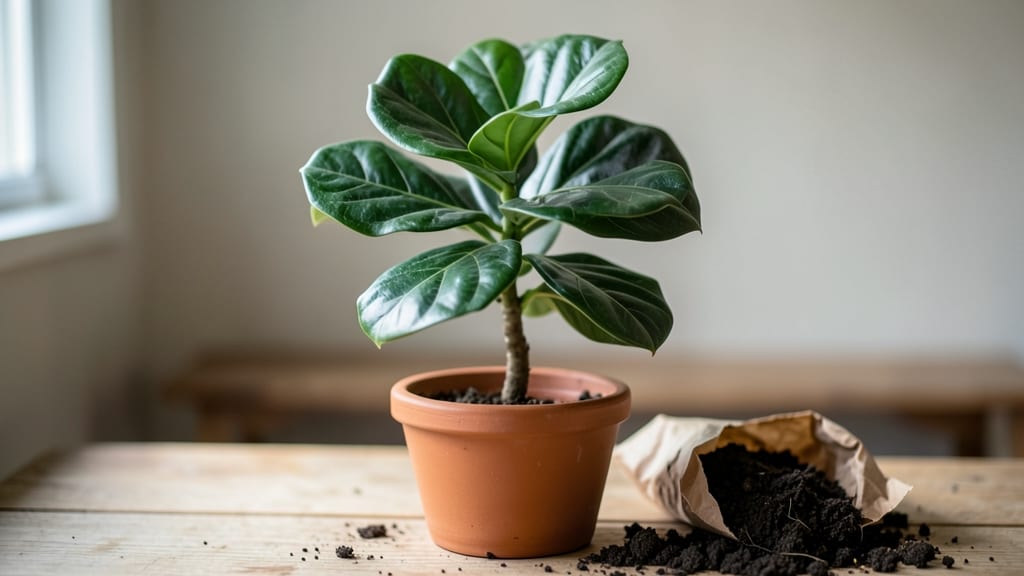
Repotting your ficus tree isn’t just about roots outgrowing their pot—it’s about giving your plant the fresh start it deserves. 🌿 I’ve repotted mine every two years, and the difference in growth is shocking: glossier leaves, sturdier branches, and a plant that practically bounces back from the process.
The secret isn’t timing or technique—it’s confidence. Once you know what to watch for, repotting becomes a simple way to revive a tired ficus or prepare it for years of healthy growth.
You’ll need just three things: a pot 2-3 inches wider than the current one, fresh potting mix designed for indoor trees, and a damp paper towel to wrap the roots.
I swear by a well-draining mix—nothing fancy, just a blend of peat, perlite, and a bit of sand to keep those roots happy. The best time to repot? Early spring, when your ficus is waking up from winter dormancy and ready to embrace new space.
Skip the summer heat, and you’ll avoid shock that could drop leaves faster than you can say "overwatered."
What you’ll end up with is a ficus that looks like it’s been to a spa—not just surviving, but thriving. Leaves stay deep green and velvety, new growth appears within weeks, and the plant’s energy shifts from struggling to stretching toward the light.
The key is gentle handling: tease the roots apart if they’re circling, avoid compacting the new soil, and water lightly afterward. No drama, no guesswork—just a plant that’s ready to grow.
This method works for all ficus varieties, from the towering Ficus benjamina to the bushy Ficus elastica. Whether you’re a first-timer or a seasoned grower, the principles stay the same: less stress, more growth.
Let’s get those roots settled into their new home—your ficus will thank you with years of lush, happy foliage.
📚 In This Guide
- What you need
- Instructions
- Tips and common mistakes
- Wrapping up and next steps
What you need
- ● New pot: Choose a container 1–2 inches wider than the current one (e.g., if your tree is in a 10-inch pot, opt for an 11–12-inch pot). Ensure it has drainage holes to prevent root rot. 🏺
- ● High-quality potting mix: A well-draining, peat-based or cactus/succulent mix (or a blend of 50% potting soil + 50% perlite/pumice) works best. Avoid garden soil—it compacts too easily! 🌿
- ● Pruning shears or sharp knife: For trimming root-bound roots or any damaged growth. Sterilize with rubbing alcohol beforehand! ✂️
- ● Gloves: Protect your hands from soil and potential sap irritation. Opt for gardening gloves with a snug fit. 🧤
- ● Watering can or hose: For post-repotting hydration. A gentle spray nozzle helps avoid disturbing fresh soil. 💦
- ● Newspaper or tarp: Lay this down to contain mess and make cleanup easier. 📰
- ● Root stimulator: A fungicide or mycorrhizal inoculant (like Mycorrhiza) to boost root health post-repotting. 🌱
- ● Pot saucer or tray: To catch excess water and protect surfaces. 🏠
- ● Mulch (orchid bark or pine needles): Adds a decorative touch and retains moisture. 🎨
- ● Support stake or bamboo pole: If your ficus is top-heavy, secure it temporarily to prevent tipping. 🪵
Step-by-Step instructions for repotting your ficus tree
Here's how to refresh your ficus' home without shocking its roots.
🪴 Step 1: Gather Supplies and Prep the New Pot
Choose a container that's only 2 inches wider than the current pot—ficus trees hate too much extra space, which leads to soggy soil and root rot. I like to pick a pot with drainage holes if possible, but if not, plan to water less frequently. The new pot should be about 10-20% larger in volume than the current one, not just wider.
Fill the bottom of the new pot with a 1-inch layer of fresh potting mix (never garden soil—it compacts and suffocates roots). Tap the pot gently on the table to settle the mix before adding your tree. This creates a stable base for the roots to spread into immediately. Here's the thing—ficus trees are sensitive to root disturbance, so we're going to work quickly to minimize stress.
🌱 Step 2: Remove the Tree and Inspect the Roots
Water your ficus 24 hours before repotting—slightly moist soil holds together better and makes removal easier. Turn the pot sideways and gently squeeze the sides while pulling upward. If the tree resists, tap the pot's bottom firmly on the table to loosen the root ball. Never force it—you'll tear roots if you're rough.
Once out, gently tease apart the outer 1-2 inches of roots with your fingers. You're looking for a dense, white root mass at the center. If you see roots circling the root ball (a condition called "girdling"), carefully snip them with clean scissors—this prevents future strangulation. Healthy roots should look white or light tan, not dark or mushy.
💧 Step 3: Repot with Care and Water Lightly
Place your ficus in the new pot and fill around the sides with fresh potting mix, pressing gently to eliminate air pockets. I like to use the "finger method"—stick your finger about 1 inch deep into the soil around the edges and add mix until it reaches that depth. This ensures even coverage without compacting the soil too tightly.
Water lightly after repotting—just enough to moisten the soil, not drench it. Ficus trees hate soggy soil immediately after transplanting. Place the tree in a spot with bright, indirect light for 1-2 weeks to recover. You'll notice new growth within 4-6 weeks if everything went well—that's your sign the tree is settling in happily.
☀️ Step 4: Monitor and Encourage Recovery
Keep the soil lightly moist (not wet) for the first 2-3 weeks after repotting. Check by sticking your finger 1 inch deep—if it feels dry, water gently. Avoid fertilizing for 4-6 weeks to let the roots establish without competition. The tree might drop a few leaves during this adjustment period—this is normal, not a sign of failure.
After 2 weeks, gradually reintroduce the tree to its usual light conditions. If you notice yellowing leaves, it's often a sign of overwatering or poor drainage. Here's where it gets fun—watch for new growth at the tips of branches. That's your ficus telling you it's happy with its new home.
Tips & tricks for repotting ficus tree
These simple tricks will help your ficus transition smoothly into its new home—no stress, just thriving growth.
Pot Size Matters: That 2-inch wider rule isn't arbitrary—it's about balance. Too much space means soggy soil and root rot, while too little restricts growth. For a 6-inch pot, aim for an 8-inch new pot. The 10-20% volume increase gives roots room to breathe without overwhelming the tree. Confession: I skipped this once and ended up with a sad, waterlogged plant for weeks.
Root Inspection Secret: When you gently tease apart those outer 1-2 inches of roots in Step 2, look for the "honeycomb" pattern of healthy roots. Dark or mushy roots mean overwatering—trim those completely. Here's what nobody tells you: circle roots (girdling) are sneaky. If you see them, snip them carefully with clean scissors. This single step prevents future growth problems.
Watering Wisdom: After repotting, that "lightly water" instruction is critical. Use the finger test—stick your finger 1 inch deep. If it feels dry, water gently until moisture reaches that depth. The first 2-3 weeks are about letting roots establish, not drowning them. I learned this the hard way after losing a ficus to overzealous watering.
Recovery Timeline: That 4-6 week growth window is your green light. Watch for new leaves at branch tips—this means roots are happily exploring their new space. If you see yellowing after 2 weeks, it's usually overwatering or poor drainage. Move to a sunnier spot (but still indirect) and cut back on water until the soil dries slightly between waterings.
Pro Tips for Repot Ficus Tree
- These simple tricks will help your ficus transition smoothly into its new home—no stress, just thriving growth.
- Pot Size Matters: That 2-inch wider rule isn't arbitrary—it's about balance. Too much space means soggy soil and root...
- Root Inspection Secret: When you gently tease apart those outer 1-2 inches of roots in Step 2, look for the "honeycom...
Frequently asked questions
Got questions about repotting your ficus tree? You’re not alone! Here are some of the most common concerns—and their stress-free solutions.
How often should I repot my ficus tree?
Repot your ficus every 2–3 years or when roots circle the pot’s bottom (a sign of root-bound stress). Young trees may need repotting annually. Spring or early summer is ideal—your tree’s active growth phase helps it recover faster. Pro tip: If you’re unsure, gently remove the tree and check the roots!
Can I repot a ficus tree during winter?
Winter is not the best time to repot—your ficus is dormant, making recovery harder. If you must (e.g., root rot), do it early winter and keep the tree in bright, indirect light with consistent moisture. Avoid repotting if temps drop below 50°F (10°C).
What’s the best soil mix for repotting a ficus?
Use a well-draining mix: 50% potting soil, 30% perlite or orchid bark, and 20% sand or pumice. Ficus trees hate soggy roots! Add a handful of worm castings for nutrients. Avoid garden soil—it compacts and suffocates roots.
My ficus leaves are yellowing after repotting—what went wrong?
Yellow leaves often mean overwatering or root shock. Cut back on water for 2–3 weeks and place the tree in bright, indirect light. If roots look mushy or black, trim the damaged ones and repot with fresh, dry soil. Pro tip: Mist leaves daily to boost humidity during recovery!
Can I repot a ficus into a decorative pot without drainage holes?
Yes, but only if you use a cache pot (a plastic liner with drainage) inside the decorative pot. Without drainage, roots rot quickly. Place a layer of gravel at the bottom of the cache pot, then add your soil mix. Monitor moisture closely—these pots dry out slower!
Wrapping up and next steps
Repotting your ficus tree doesn’t have to be stressful—it’s all about timing, technique, and a little TLC! 🌱 By choosing the right moment, gathering the perfect tools, and following a gentle approach, you’ll help your plant thrive for years to come.
Remember, a well-timed repot can boost growth and keep those lush leaves vibrant.
Ready to give your ficus a fresh start? Mark your calendar for the next ideal repotting window and gather your supplies. With confidence and care, you’re well on your way to becoming a ficus-growing pro! 🌟