
Trees
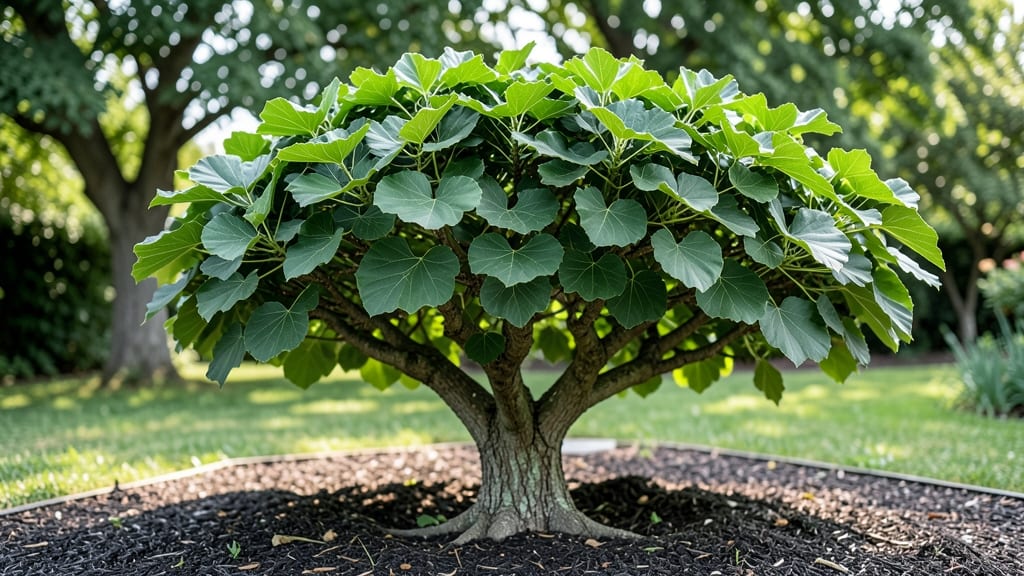
Growing a Paulownia tomentosa tree means planting a fast-growing giant that can shoot up 10 feet in a single season—though it takes patience to see those towering results.
The first time I watched one sprout from a tiny seedling to a 20-foot shade provider in just three years, I knew this wasn’t your average backyard tree. Its lightweight wood and dramatic foliage make it a standout, but its rapid growth demands smart planning from day one.
This tree thrives in USDA zones 5-9, where it loves full sun and well-draining soil—think sandy loam rather than heavy clay. Watering’s simple once established, but young trees need consistent moisture to handle their explosive growth.
The real secret? Planting in a spot where you won’t mind its mature size, because once it’s happy, it will take over—fast. I’ve seen neighbors regret placing it too close to foundations or power lines.
You’ll end up with a tree that produces heart-shaped leaves the size of dinner plates and fragrant purple flowers in spring. The wood’s lightweight yet strong, making it prized for carving and musical instruments.
With proper pruning (focus on shaping young trees to avoid weak branches), you’ll steer its growth while enjoying its dramatic presence. The trade-off? Managing its invasive tendencies in some regions means staying vigilant about seed spread.
Perfect for gardeners with space and ambition, but not for small yards or those who prefer low-maintenance plants. If you’re ready to grow something truly impressive—just be prepared to watch it shoot up before your eyes. Let’s get those roots in the ground the right way.
📚 In This Guide
- What you need
- Instructions
- Tips and common mistakes
- Wrapping up and next steps
What you need
- ● Paulownia tomentosa seeds (or a young sapling from a nursery) – 10-20 seeds (germination rate is ~50%) or 1-2 saplings for faster growth.
- ● Well-draining soil mix – A blend of 60% topsoil, 30% compost, and 10% perlite/sand (pH 6.0–7.5).
- ○ Growing containers (optional for seedlings) – 5-gallon pots with drainage holes.
- ● Shovel & garden fork – For digging planting holes (12–18 inches deep).
- ● Watering can or hose with a gentle spray nozzle – Paulownia loves moisture but hates soggy roots!
- ● Mulch (wood chips or straw) – 2–3 inches to retain moisture and suppress weeds.
- ● Fertilizer (balanced 10-10-10 or slow-release tree fertilizer) – Apply once in early spring.
- ● Pruning shears – For shaping young trees (sterilize blades with rubbing alcohol).
- ● Sunlight access – A full-sun location (6+ hours/day) is non-negotiable!
- ● Seed stratification kit (if starting from seeds) – Cold stratification (30–90 days at 33–50°F) boosts germination.
- ● Rooting hormone – For cuttings (if propagating from stems).
- ● Tree guard or wire cage – Protects young saplings from deer/browsing.
- ● Soil moisture meter – Ensures you’re not over- or under-watering.
- ● Epsom salt (magnesium sulfate) – 1 tbsp per gallon of water monthly for foliage health.
Step-by-step instructions for planting and growing Paulownia tomentosa trees
Here's how to get these giants growing strong—fast.
🌱 Step 1: Choose the Perfect Planting Site
Paulownia tomentosa thrives in full sun with at least 6-8 hours of direct light daily. I always pick a spot with room to grow—these trees can reach 50 feet tall and 40 feet wide in ideal conditions. The soil should drain well; they hate soggy roots. If your yard has heavy clay, amend with 2-3 inches of compost mixed into the top 12 inches of soil before planting.
Test the soil pH—Paulownia prefers 6.0 to 7.5. If yours runs acidic, sprinkle lime lightly over the planting area a few weeks before you plant. The tree’s deep roots will thank you later. Avoid low-lying areas where water pools after rain; even a few hours of standing water stresses the roots.
🪴 Step 2: Plant Bare-Root or Container-Grown Saplings Correctly
For bare-root saplings, soak the roots in lukewarm water for 1-2 hours before planting to revive them. Dig a hole twice as wide as the root ball but no deeper—planting too deep suffocates the tree. Gently loosen the roots if they’re circling tightly in the pot. Place the sapling in the hole so the top of the root ball sits 1-2 inches above ground level (it’ll settle over time).
For container-grown trees, remove it carefully and tease the roots at the bottom if they’re circling. Backfill the hole with native soil, tamping lightly every 3 inches to remove air pockets. Water deeply right after planting—1-2 gallons—to help the soil settle around the roots. Mulch with 2-3 inches of wood chips, keeping the mulch 6 inches away from the trunk to prevent rot.
☀️ Step 3: Water Deeply and Maintain Through the First Growing Season
Water deeply once a week during the first year, giving the tree 5-10 gallons depending on its size. The goal is to encourage deep root growth, not shallow, thirsty roots. You’ll know it’s time to water when the top 6 inches of soil feel dry. Overwatering is a common mistake—Paulownia tolerates drought once established but won’t survive soggy soil.
Fertilize lightly in early spring with a balanced 10-10-10 fertilizer, spreading ½ cup around the drip line (the edge of the tree’s canopy). Avoid high-nitrogen fertilizers—they promote leafy growth at the expense of wood strength, which is why Paulownia’s wood is prized for its lightweight yet durable properties. Prune only to remove dead or crossing branches in the first year; let the tree focus on root and trunk development.
✂️ Step 4: Prune Strategically for Health and Shape
Prune in late winter or early spring before new growth begins. Remove any dead, diseased, or broken branches first—these can harbor pests or fungi. Thin out crowded branches to improve airflow, cutting back to the collateral bud (the one facing outward) to encourage a stronger structure. Avoid heavy pruning in the first few years; let the tree establish its natural shape.
If you’re growing Paulownia for its lightweight wood, avoid excessive pruning that stimulates weak, fast growth. The tree’s strength comes from slow, steady development. After 3-5 years, you can harvest small branches for crafting, but never take more than 20% of the tree’s canopy in a single year. Always sterilize pruning tools with rubbing alcohol between cuts to prevent disease spread.
Tips & tricks for perfect Paulownia tomentosa tree growth
These are the secrets I've learned from years of growing these fast-growing giants—trust me, they make all the difference.
Site Selection Wisdom: When choosing your planting spot, remember that Paulownia's rapid growth means it will quickly outgrow even the most spacious yards. Scout the area in summer to confirm it gets that crucial 6-8 hours of direct sunlight—partial shade will slow growth dramatically. I always check for overhead power lines too; these trees grow so fast they can become a hazard within just a few years. Look for areas with gentle slopes where water naturally drains away rather than pooling.
Root Revival Technique: That 1-2 hour soak for bare-root saplings isn't just about hydration—it's about waking up dormant root cells. I use lukewarm water (not cold) because it mimics spring temperatures when these trees naturally begin growing. After soaking, gently massage the roots between your fingers to encourage them to unfurl naturally. This simple step can double your transplant success rate, especially in cooler weather.
Watering Strategy: The once-a-week deep watering rule is non-negotiable during the first year, but here's what I've learned: use a rain gauge or trowel to check soil moisture at 6 inches deep—this is where the roots are actively growing. If the soil feels dry at this depth, water immediately. Morning watering is ideal because it gives roots time to absorb moisture before evening evaporation. I've seen many Paulownia trees fail because people watered too frequently with shallow applications, creating weak surface roots.
Pruning Precision: When pruning in late winter, focus on creating an open center that allows sunlight to reach all parts of the canopy. The 20% canopy rule after 3-5 years is actually quite generous—you can safely remove up to 30% of the canopy if you're careful to make clean cuts at the collateral bud. I always prune on dry days when the tree's defenses are at their strongest, and I sterilize my tools between each cut to prevent spreading any potential diseases that might be hiding in the tree.
Pro Tips for Paulownia Tomentosa Tree
- These are the secrets I've learned from years of growing these fast-growing giants—trust me, they make all the differ...
- Site Selection Wisdom: When choosing your planting spot, remember that Paulownia's rapid growth means it will quickly...
- Root Revival Technique: That 1-2 hour soak for bare-root saplings isn't just about hydration—it's about waking up dor...
Frequently asked questions
Got questions about growing Paulownia tomentosa? You’re not alone!
This fast-growing tree is stunning, but it does have quirks. Here are answers to the most common queries to help you get started—or troubleshoot—with confidence.
How fast does a Paulownia tomentosa tree grow?
Prepare for a growth spurt! Under ideal conditions, this tree can shoot up 10–20 feet per year in its first few years—yes, really. By year 3, it may already tower over your house. In cooler climates, growth slows slightly but remains impressively rapid. Pro tip: Plant it where its height won’t become a nuisance (like near power lines)!
Can Paulownia tomentosa survive cold winters?
This tree thrives in USDA Zones 4–9, making it surprisingly hardy for its size. Young trees may need winter protection (like mulch or burlap wraps) in Zone 4, but mature specimens handle frost like a champ. Watch for: Late spring frosts, which can damage tender new leaves. If you’re in Zone 3, consider growing it in a container and overwintering indoors.
Is Paulownia tomentosa invasive? Should I worry?
Here’s the catch: Paulownia tomentosa has aggressive roots and prolific seed production, earning it “invasive” status in some states (like Hawaii, Florida, and parts of California). Check local regulations before planting—some areas require permits or ban it outright. If you’re in a restricted zone, opt for sterile cultivars or grow it in large containers.
How do I prune a Paulownia tomentosa tree?
Pruning is key to managing its size and shape! The best time is late winter or early spring, before new growth starts. Focus on:
- Removing dead or diseased branches first.
- Thinning out crossing or crowded limbs to improve airflow.
- Avoid heavy pruning in fall—it stimulates tender growth that may frost.
What are some alternatives to Paulownia tomentosa?
If invasiveness or size concerns you, try these fast-growing, lightweight-wood alternatives:
Tree
Growth Rate
Hardiness Zones
Notes
Populus alba (White Poplar)
10–15 ft/year
3–8
Less aggressive but still invasive in some areas.
Betula papyrifera (Paper Birch)
12–24 in/year
2–7
Beautiful bark, cold-hardy, but slower.
Catalpa bignonioides (Southern Catalpa)
3–6 ft/year
5–9
Showy flowers, non-invasive, but smaller.
Wrapping up and next steps
The Paulownia tomentosa tree is a remarkable addition to any landscape—offering rapid growth, stunning foliage, and versatile wood for eco-friendly projects. Whether you're drawn to its fast-growing nature or its low-maintenance charm, this giant is a win-win for both beauty and practicality. 🌿
Ready to plant your own? Start by gathering your supplies, choosing the right location, and following the steps outlined above. With patience and care, you’ll soon be enjoying the majestic presence of this lightweight wood wonder in your backyard!