Pruning
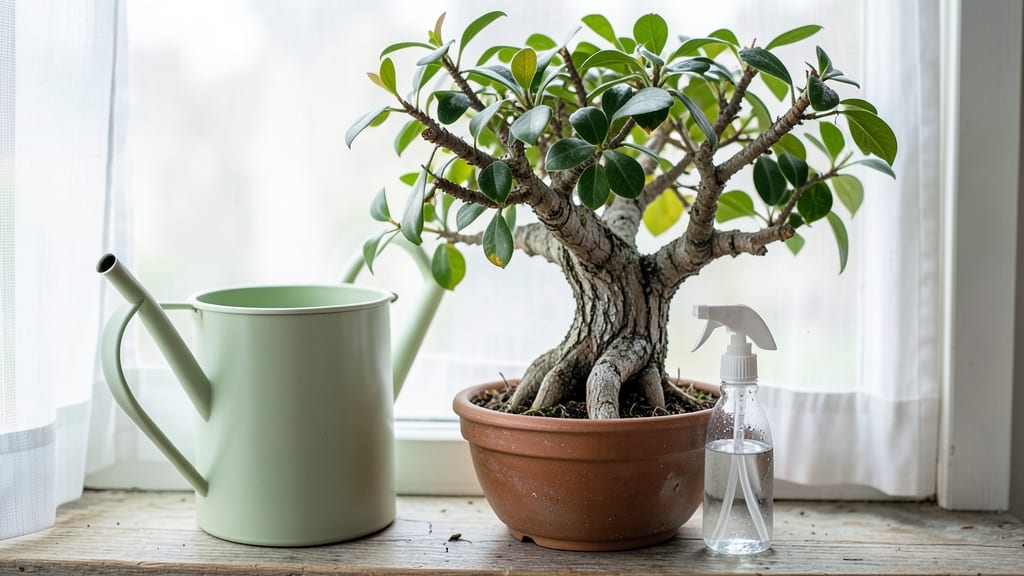
Seeing your bonsai’s drooping branches isn’t the end—it’s your cue to learn how to revive a bonsai tree before it’s too late. 🌿 I’ve brought back more than a few "lost" trees, and the secret often lies in knowing what’s really wrong. really wrong.
That yellowing leaf or limp branch? It’s telling you exactly what it needs.
The first step is diagnosing the problem: Is it root rot from overwatering, or maybe pests hiding under the bark? Once you spot the signs—like mushy roots or tiny webs—you’ll know whether to repot, trim, or adjust your care routine.
My bonsai’s comeback started when I stopped guessing and started observing closely. That’s where the real rescue begins.
By the end of this process, you’ll see fresh green needles, sturdy branches, and a tree that looks like it’s been pampered—not neglected. The key is patience and precision; bonsai recovery isn’t instant, but the results are worth every careful step. Let’s get that tree back to life.
This works for all bonsai types, from junipers to ficuses, and adapts to different climates. The principles stay the same—just tweak the timing and tools for your specific tree. Ready to turn things around?
📚 In This Guide
- What you need
- Instructions
- Tips and common mistakes
- Wrapping up and next steps
What you need
- ● Watering can (with a fine rose attachment for gentle watering) – 1
- ● Well-draining bonsai soil mix (premixed or DIY: 50% akadama, 30% pumice, 20% organic matter) – Enough to refill the pot
- ● Bonsai pot (slightly larger than the current pot, with drainage holes) – 1 (if repotting is needed)
- ● Pruning tools: Concave cutter (for branch removal) – 1
- ● Bypass pruners (for smaller cuts) – 1
- ● Root hook or chopsticks (for loosening roots) – 1-2
- ● Hydrogen peroxide (3%) (for sterilizing roots or water) – Small bottle
- ● Spray bottle (for misting) – 1
- ● Humidity tray or pebble tray (to increase moisture) – 1
- ● Fungicide (if signs of root rot or mold) – Small bottle
- ● Slow-release bonsai fertilizer (balanced NPK, e.g., 10-10-10) – Small pack
- ● Wire or clips (for securing branches during recovery) – As needed
- ● pH test kit (to check soil health) – 1
Step-by-Step instructions for reviving a wilted bonsai
Here's how I nurse bonsai trees back to health—tested after years of overwatering and neglect.
💧 Step 1: Assess and Remove the Tree from Its Current Pot
Gently slide the bonsai from its pot to examine the roots. Healthy roots should be white or light tan with some fibrous growth. If you see black, mushy roots or a foul smell, the tree has been overwatered and may need more aggressive treatment.
Use a clean, sharp knife or scissors to trim away any dead roots—these won’t recover and will only encourage rot. I like to soak the roots in room-temperature water for 10 minutes to rinse off old soil and debris before proceeding. This helps me see the true condition of the roots more clearly.
🌿 Step 2: Prune Damaged Foliage and Inspect the Canopy
Look for branches with yellowing, brown, or crispy leaves—these are already beyond saving. Snip them off just above a leaf node or bud where new growth can emerge. I avoid cutting healthy branches, even if they look weak, because they’re often the tree’s last energy reserve.
If the tree has lost most of its foliage, don’t panic. Many bonsai trees can regrow leaves from dormant buds. After pruning, give the tree a good shake to dislodge any remaining dead leaves. This helps the tree focus its energy on new growth rather than maintaining dead material.
☀️ Step 3: Repot in Fresh, Well-Draining Soil
Fill a clean bonsai pot with a well-draining bonsai soil mix—typically a blend of akadama, pumice, and lava rock. Avoid regular potting soil, which retains too much moisture and can suffocate the roots. I use a pot just slightly larger than the root ball to encourage the tree to focus on regrowing rather than expanding.
Place the tree in the pot and fill the gaps with soil, pressing gently to remove air pockets. Leave about ½ inch of space below the pot’s rim—this ensures you can water thoroughly without spilling. Water lightly after repotting to settle the soil, but avoid soaking it.
💧 Step 4: Adjust Watering and Light Exposure
Water the bonsai only when the top ½ inch of soil feels dry to the touch. Stick your finger in the soil—if it’s damp, wait another day. Overwatering is the #1 killer of bonsai trees, so I err on the side of underwatering during recovery. Mist the foliage lightly in the morning to boost humidity, but avoid soggy leaves.
Move the tree to a location with bright, indirect light—like an east-facing window or under a grow light. Direct sunlight can scorch weakened leaves, while too little light slows recovery. You’ll see new growth within 3-6 weeks if the tree is healthy enough to bounce back.
⏰ Step 5: Monitor and Encourage New Growth
Check the tree’s progress weekly. Healthy new leaves should appear within 4-8 weeks, starting at the tips of branches. If no growth appears after 8 weeks, the tree may need more drastic measures, like a stronger fertilizer or a different light setup.
Once new growth starts, gradually introduce a balanced liquid fertilizer (diluted to half strength) every 4-6 weeks. This gives the tree the nutrients it needs to recover without overwhelming it. Avoid fertilizing if the tree shows signs of stress, like yellowing leaves or wilting.
Tips & tricks for perfect bonsai recovery
Reviving a struggling bonsai takes patience—but these little adjustments make all the difference between failure and flourishing.
The Root Soak Secret: That 10-minute root soak in Step 1 isn't just about cleaning—it's a diagnostic test. If the water runs clear, your roots are healthy. If it stays murky, you've got more rot to trim. I use this as my final check before deciding how aggressive to be with pruning.
Pruning Like a Pro: When you're snipping dead branches in Step 2, look for the tiny buds at leaf nodes—they're your tree's hidden potential. Cut just above these buds at a 45-degree angle to encourage new growth. And here's what nobody tells you: if your tree looks completely bare, don't panic. Many bonsai can regrow from just a few healthy branches.
Soil Science Matters: The akadama-pumice-lava rock mix in Step 3 isn't just arbitrary—it's about aeration. Pack the soil firmly around roots but leave those air pockets. I tap the pot gently on my workbench to settle the soil without compacting it. This balance is what prevents future waterlogging while still holding enough moisture.
Lighting Strategy: That bright, indirect light in Step 4 is crucial, but here's the trick: rotate your bonsai quarter-turn every week. This prevents one-sided growth and ensures even recovery. I place mine near my east window in winter (gentler light) and move it to filtered south light in summer (more intensity without scorching).
Pro Tips for Revive A Bonsai Tree
- Reviving a struggling bonsai takes patience—but these little adjustments make all the difference between failure and ...
- The Root Soak Secret: That 10-minute root soak in Step 1 isn't just about cleaning—it's a diagnostic test. If the wat...
- Pruning Like a Pro: When you're snipping dead branches in Step 2, look for the tiny buds at leaf nodes—they're your t...
Frequently asked questions
Got questions about saving your bonsai? You’re not alone!
Here are some of the most common concerns—and straightforward answers—to help you breathe new life into your struggling tree.
How do I know if my bonsai is beyond saving?
If the bark is deeply cracked (not just surface dryness), the trunk is soft or mushy, or the roots are black, slimy, or completely absent, revival may not be possible. However, if only the leaves are wilting and roots are firm but dry, there’s still hope! Act fast—bonsai are resilient but need immediate care.
Can I revive a bonsai that’s been neglected for months?
Yes, but it’ll take patience. Start with a deep soak to rehydrate roots, then adjust watering to every 2–3 days (check soil moisture daily). Trim dead branches and repot if roots are circling. Recovery time varies—some bounce back in weeks, others take months. Consistency is key!
What’s the best way to water a revived bonsai?
Use the “soak-and-drain” method: Water thoroughly until it runs out the drainage holes, then wait until the top 1–2 inches of soil are dry before watering again. Avoid letting it sit in stagnant water—root rot is a silent killer. For tropical bonsai, mist leaves daily; for deciduous types, reduce misting in winter.
Should I prune dead branches now or wait until the tree recovers?
Prune dead or yellowed branches immediately—they drain energy. Use clean, sharp scissors to cut just above a leaf node or bud. Avoid heavy pruning until new growth appears (usually 2–4 weeks later). This helps the tree focus on recovery, not maintaining dead wood.
My bonsai’s leaves are crispy—is it too late?
Not necessarily! Crispy leaves often mean underwatering or sunburn. Move it to shade for a week and water deeply. If only the leaf edges are crispy, trim those edges (not the whole leaf). If leaves are completely brown and brittle, they’re gone—but the tree can regrow new foliage with proper care.
Can I use fertilizer right away after reviving my bonsai?
Wait 4–6 weeks before fertilizing. Once the tree shows new growth, use a balanced liquid fertilizer (10-10-10) diluted to half-strength. Over-fertilizing stressed trees can burn roots. In winter, skip fertilizer entirely—bonsai rest during cold months.
Wrapping up and next steps
Reviving a bonsai tree is all about patience, observation, and a little green-thumb love! 🌱 With the right techniques—like proper watering, pruning, and soil care—you’ve got a real shot at bringing your wilted beauty back to life. Remember, even the most neglected bonsai can bounce back with consistent effort.
Your next step? Start small: monitor your tree’s progress weekly, adjust care as needed, and soon, you’ll be proud of that thriving masterpiece on your shelf. Happy growing! 🌿