Planting
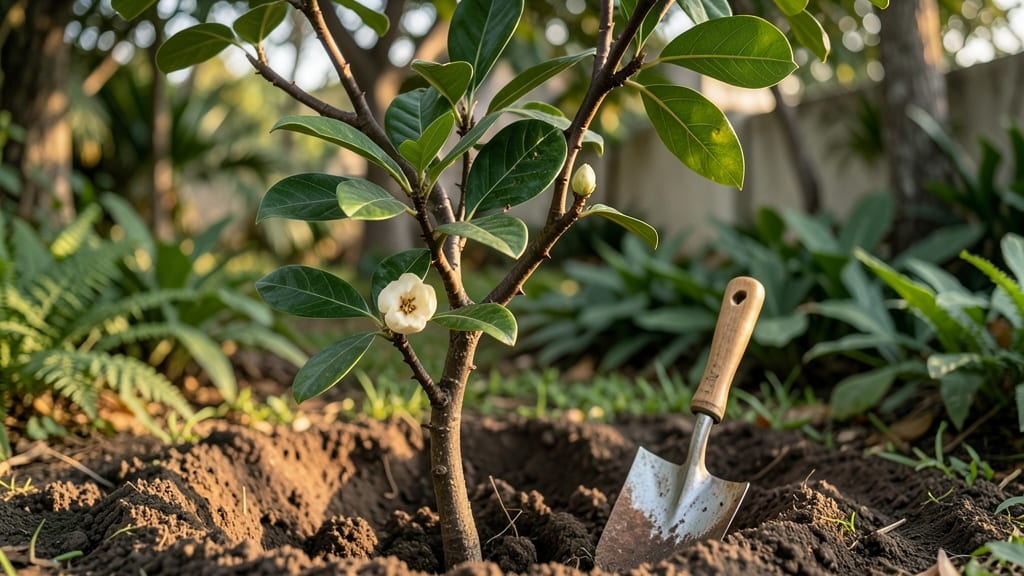
Planting a guanabana tree from seed is like nurturing a tropical treasure—one that rewards patience with creamy, custard-like fruit. 🌿 I’ve watched these trees transform from tiny seedlings into towering producers, and the key starts with the right soil, climate, and a little tropical know-how.
Guanabanas thrive where temperatures stay warm year-round, but even in cooler zones, you can grow them in containers and bring them indoors during winter.
The first step is sourcing seeds or saplings—either from a trusted nursery or by extracting them from fresh fruit (just let them ferment for a few days first).
You’ll need well-draining soil mixed with compost, a spot with full sun (at least 6 hours daily), and plenty of space since these trees can grow 20-30 feet tall. If you’re in a subtropical zone, planting in late spring or early summer gives young trees the best start.
Once planted, keep the soil consistently moist but not soggy—guanabana trees hate waterlogged roots. Within 3-6 months, you’ll see strong new growth, and with proper care, the first flowers (and eventually fruit) appear in 2-4 years.
The real magic happens when you taste that first ripe guanabana, sweet and fragrant, straight from your own tree.
For beginners, the biggest challenge is waiting—these trees grow slow at first but become foolproof producers once established. If you’re in a cooler climate, container growing is your best bet, but with the right conditions, you’ll have a tropical fruit tree that’s both beautiful and bountiful. Ready to get started?
📚 In This Guide
- What you need
- Instructions
- Tips and common mistakes
- Wrapping up and next steps
What you need
- ● Guanabana seeds: 3–5 fresh, plump seeds (harvested from a ripe guanabana fruit). Pro tip: 💡 Soak seeds in warm water for 24 hours to speed up germination!
- ● Seed-starting mix: 1–2 small pots (4–6 inches wide) filled with well-draining, sterile potting soil (or a mix of coconut coir and perlite).
- ● Growing container or nursery bed: A shallow tray or outdoor seedling bed (if planting directly in the ground).
- ● Plastic wrap or humidity dome: To retain moisture while seeds germinate.
- ● Spray bottle: For gentle watering (avoid over-saturating the soil).
- ○ Fertilizer (optional but helpful): A balanced, water-soluble fertilizer (e.g., 10-10-10) for young seedlings.
- ● Transplanting tools: Small trowel or spoon for moving seedlings to larger pots or the ground.
- ● Mulch (for outdoor planting): Organic mulch (e.g., straw or wood chips) to retain soil moisture and suppress weeds.
- ● Growth hormone gel (e.g., Rootone) to boost root development.
- ● Grow lights or a sunny windowsill (if starting indoors in low-light conditions).
- ● Soil moisture meter to monitor hydration levels.
- ● Pest control spray (e.g., neem oil) for early signs of aphids or fungus gnats.
Step-by-step instructions for growing a guanabana tree from seed
Here's how to nurture a tropical fruit tree from seed to fruiting maturity.
🌱 Step 1: Prepare the Seed for Germination
Guanabana seeds need a warm, moist environment to break dormancy. First, remove the seed from its fibrous pulp and rinse it thoroughly under running water to remove any remaining fruit residue. This prevents mold and rot during germination.
Soak the seed in lukewarm water for 24-48 hours. You'll notice the seed coat soften slightly, which helps water penetrate the hard outer shell. Place the seed in a small container with fresh water and keep it in a warm spot (75-85°F). Change the water every 12 hours to prevent stagnation.
Here's the thing—guanabana seeds can take 3-6 weeks to germinate. Patience is key. Once the seed begins to sprout, it will develop a small white root first, followed by a shoot. This is your signal to move to the next step.
🪴 Step 2: Plant the Germinated Seed in a Nursery Pot
Use a 4-inch diameter nursery pot filled with a well-draining tropical potting mix. Guanabana trees dislike soggy roots, so mix in 20% perlite or coarse sand to improve drainage. Moisten the mix until it's damp but not waterlogged.
Plant the sprout ½ inch deep, ensuring the root is covered but the shoot remains above soil level. Gently press the soil around the seed to secure it without compacting it. Place the pot in a warm, shaded area with indirect light—direct sun at this stage can scorch the delicate shoot.
Water lightly from the bottom by placing the pot in ½ inch of water for 10 minutes. This encourages roots to grow downward rather than sitting in wet soil. Keep the soil consistently moist but never soggy. You'll know it's right when the surface feels damp but not glistening.
☀️ Step 3: Transition to Larger Containers and Sunlight
Once the seedling reaches 6 inches tall (about 3-6 months), it's time to repot into a 1-gallon container. Guanabana trees grow quickly, so choose a pot with drainage holes. Use the same tropical potting mix and add a slow-release fertilizer to support early growth.
Gradually introduce the seedling to morning sunlight for 1-2 hours daily, then increase exposure over 2 weeks. Full sun (6+ hours daily) is ideal, but avoid harsh afternoon rays in hot climates. You'll see new leaves emerge with a deeper green color—this confirms the plant is adapting well.
Water deeply when the top inch of soil feels dry. Overwatering is the biggest mistake here—guanabana trees are sensitive to root rot. If leaves yellow or drop, reduce watering immediately and improve drainage.
✂️ Step 4: Prune and Support for Fruit Production
When the tree reaches 3-4 feet tall, prune leggy growth to encourage bushier development. Cut back one-third of the longest stems just above a leaf node. This redirects energy to lateral branches, which is where fruit develops.
Support the tree with a small stake if needed, especially in windy conditions. Guanabana trees can grow 20-30 feet tall in ideal conditions, but container-grown trees stay smaller. Pinch back new growth in early spring to maintain shape and encourage flowering.
Fertilize every 2 months with a balanced tropical fertilizer (10-10-10 ratio). You'll notice small white flowers appear after 2-3 years—this is your first sign of potential fruit. Guanabana trees are slow to fruit from seed, but with patience, you'll see the large, spiky fruits develop.
Tips & tricks for perfect guanabana tree growth
Common pitfalls—and how to sidestep every one. Here's what I learned after watching several guanabana seeds fail to thrive.
Germination Environment: The 75-85°F temperature range is non-negotiable for breaking dormancy. I've tried using heat mats under the container, which works beautifully—just monitor the water temperature too, as it shouldn't exceed 85°F. If you notice mold forming during the 24-48 hour soak, rinse the seed immediately and start fresh with clean water. A small mesh bag with holes works better than a sealed container to prevent stagnation.
Seedling Transition: When your sprout reaches 6 inches, don't rush the 1-2 hour sunlight introduction. I made the mistake of moving seedlings to full sun too quickly, which caused leaf scorch. Start with just morning light and increase gradually—you'll see the leaves develop a richer green color as they adapt. The 1-gallon container should have drainage holes large enough to accommodate the tree's rapid growth; if not, add extra perlite to prevent waterlogging.
Pruning Strategy: When pruning at 3-4 feet, focus on removing stems that grow straight up rather than outward. These vertical stems compete for nutrients that could be going to fruit production. I've found that cutting just above a leaf node encourages branching—this is where you'll see the most fruit development later. Use clean, sharp pruners to make cuts at a 45-degree angle to prevent disease entry points.
Fertilizer Timing: The 2-month fertilization schedule assumes you're using a balanced 10-10-10 formula. For container-grown trees, I recommend halving the dose to prevent salt buildup in the soil. Always water thoroughly before applying fertilizer to help distribute nutrients evenly. You'll notice the first flowers appear after 2-3 years, but don't be discouraged if it takes longer—patience is absolutely key with guanabana trees.
Pro Tips for Plant A Guanabana Tree
- Common pitfalls—and how to sidestep every one. Here's what I learned after watching several guanabana seeds fail to t...
- Germination Environment: The 75-85°F temperature range is non-negotiable for breaking dormancy. I've tried using heat...
- Seedling Transition: When your sprout reaches 6 inches, don't rush the 1-2 hour sunlight introduction. I made the mis...
Frequently asked questions
Got questions about growing your own guanabana tree?
Here are answers to the most common ones—so you can plant with confidence and avoid pitfalls!
How long does it take for a guanabana tree to bear fruit?
A guanabana tree typically takes 5–7 years to produce fruit from seed, though grafted trees may fruit in 2–3 years. Patience is key—focus on proper care (sunlight, water, and soil) to speed up the process.
Can I grow a guanabana tree from a store-bought fruit?
Yes! Save the seeds from a ripe guanabana, clean them, and plant them in moist soil. However, store-bought seeds may not yield true-to-type fruit. For faster results, consider grafting or buying a young tree from a nursery.
How cold-hardy is a guanabana tree?
Guanabana trees thrive in USDA zones 10–11 and are sensitive to frost. If you live in a cooler climate, grow it in a container and bring it indoors during winter. Mulching can also help insulate roots in marginal zones.
What pests or diseases should I watch for?
Common issues include aphids, mealybugs, and root rot (from overwatering). Use neem oil for pests and ensure well-draining soil to prevent fungal diseases. Regularly inspect leaves and soil for early signs.
Can I grow a guanabana tree in a pot?
Choose a large container (at least 20 gallons) with drainage holes. Use a mix of potting soil and compost, and repot every 2–3 years. Just ensure it gets full sun (6+ hours/day) and deep waterings.
Wrapping up and next steps
Planting a guanabana tree is a rewarding journey that brings tropical beauty and delicious fruit to your backyard! 🌱 By following the right steps—from seed selection to proper care—you’ll soon enjoy lush, fragrant blossoms and sweet, creamy harvests. Patience and consistency are key, but the payoff is worth it.
Now that you’re ready to start, take the next step: mark your calendar for seasonal planting reminders and watch your guanabana tree thrive. Happy growing—your tropical oasis awaits! 🌴